
Introduction to Metal Stamping
Metal stamping is an essential industrial process that involves transforming flat metal sheets into specific shapes through techniques such as blanking, punching, bending, and coining. This process is widely used in various industries, including automotive, aerospace, and electronics. A critical component of metal stamping is punching, which plays a significant role in shaping and assembly.
The Role of Stamping in Manufacturing
Punching is a process which involves cutting shapes out of metal using a die and punch press. It is crucial due to its efficiency and precision, producing high volumes of parts at a low cost, often without secondary operations. Industries rely heavily on this process to manufacture parts at scale, particularly in high-demand sectors like automobile production.
Understanding the Punching Process
The punching process in metal stamping involves a punch, die, and press. The punch is a tool that presses into a metal sheet and shears the material to create a hole or cut-out shape.
Punch and Die Dynamics
During punching, the interaction between punch and die is paramount. The punch creates the force necessary to cut through metal, while the die provides the counterpart shape to ensure precision. A manufacturer in China would particularly focus on perfecting these elements to maintain product consistency while dealing with wholesale volumes.
Shearing and Clearance
Shearing is the primary action in punching, characterized by a shear force that causes the metal to yield. The clearance between the punch and die must be precise; too small a clearance can lead to excessive wear and energy consumption, while too large a clearance may result in poor part quality.
Components of a Punching System
The punching system comprises several critical components that work in unison to produce the desired output. Understanding these components offers insight into maximizing efficiency and minimizing errors.
Press Machine Specifications
The press used in punching is vital, with parameters such as tonnage affecting the process. For instance, a tonnage that is too low may fail to penetrate the metal, while excessive tonnage can cause damage to tools and machinery.
Punch and Die Material Considerations
The material from which the punch and die are made significantly impacts the tool's durability and effectiveness. Hard metals like tool steel are a common choice, providing resilience against the demands of repeated use, especially in large-scale manufacturing environments in China.
Materials Used in Metal Punching
Material selection is crucial in metal punching, affecting the process's efficiency, the tool's lifespan, and the finished product's quality.
Common Metals in Use
Common metals used in the punching process include steel, aluminum, copper, and brass. Each material has distinct properties that impact its workability; for instance, aluminum's malleability makes it easier to punch but may lead to more frequent tool maintenance.
Impact of Metal Thickness
Material thickness greatly influences the punching process. Thicker materials require greater force to punch, affecting the choice of machine and operational settings needed to achieve optimal results, especially in bulk production scenarios.
Punching Techniques and Methods
Different punching techniques and methods are employed depending on the desired outcome and material characteristics. These methods shape industry practices, offering flexibility and precision in manufacturing.
Compound and Progressive Dies
Compound dies allow multiple punching operations in a single stroke, while progressive dies perform sequential operations in a continuous strip. The choice between these methods depends on factors like production volume and part complexity, critical for manufacturers engaged in large-scale production.
Fine Blanking and Coining
Fine blanking is a variation that provides superior edge finish and dimensional accuracy, while coining adds specific features to parts. These methods are invaluable for producing components with tight tolerances, enhancing their application in precision-dependent industries.
Design Considerations in Punching
Proper design is essential to ensure effective metal punching. This involves understanding the interplay between different elements of the process and their contribution to the overall outcome.
Optimizing Die Design
Die design must accommodate specific part shapes and dimensions, optimizing the alignment and clearance to ensure minimal material waste and wear. Designing for durability and precision is crucial in wholesale manufacturing to maintain cost efficiency and quality.
Tool Wear and Maintenance
Tool wear is an inevitable aspect of punching, necessitating regular maintenance to prevent defects. Proper tool maintenance, such as sharpening and lubrication, prolongs life and ensures consistent part production, a significant factor for mass production in China.
Advantages and Limitations of Punching
While punching offers numerous advantages in metal fabrication, it also has certain limitations. Understanding these aspects allows for informed decision-making in its application.
Efficiency and Cost-Effectiveness
Punching is efficient and cost-effective, capable of producing large quantities of parts swiftly, which is ideal for wholesale operations. The reduced need for secondary operations further reduces costs, benefiting manufacturers across different sectors.
Challenges and Limitations
However, limitations include tooling costs and potential deformation in softer metals. Addressing these issues requires careful process planning and tool selection, crucial considerations for manufacturers aiming to meet diverse client demands.
Technological Innovations in Punching
Technological advancements have transformed punching, with automation and improved tool materials enhancing precision and efficiency.
Automation and CNC Machinery
Automation, through CNC machinery, offers unprecedented control and repeatability, essential for maintaining precision in large-scale production. This technology allows manufacturers to handle complex designs with ease, increasing their competitive edge in the global marketplace.
Advanced Materials and Coatings
Developments in tool materials and coatings extend tool life and enhance performance. Coatings like titanium nitride reduce wear and friction, enabling tools to withstand the rigorous demands of continuous operation, which is crucial for high-output manufacturers in China.
Quality Control and Testing in Punching
Ensuring quality and consistency is integral in punching, with rigorous testing and quality control measures in place to maintain high standards.
Inspection Techniques
Inspection techniques such as visual inspection, measurement checks, and automated systems ensure parts meet specified tolerances and are free from defects, reinforcing reliability in wholesale manufacturing.
Standard Compliance
Adherence to standards like ISO or ASTM ensures products meet international quality benchmarks, essential for manufacturers serving global markets, including those in China.
Future Trends in Metal Punching
The future of metal punching is tied to advancements in technology and materials, offering promising directions for increased efficiency and precision.
Smart Manufacturing and IoT
The integration of IoT in manufacturing processes is paving the way for smart factories, providing real-time data and analytics to optimize production. This is particularly advantageous for high-volume producers looking to enhance operational efficiency.
Sustainable Practices
Sustainability is becoming a focal point, with new materials and processes emphasizing reduced environmental impact. This shift aligns with global efforts toward eco-friendly manufacturing, providing an advantage for manufacturers committed to sustainable practices.
Maxtech Provide Solutions
Maxtech is at the forefront of providing innovative punching solutions tailored to meet diverse industrial needs. Our commitment to quality, efficiency, and sustainability is evident in our product offerings, which cater to a wide range of applications. By integrating advanced technologies and adhering to stringent quality control measures, we ensure our solutions meet the demands of modern manufacturing, enhancing productivity and reducing operational costs for our clients worldwide. Whether dealing with small-scale projects or large-scale wholesale orders, Maxtech delivers precision and reliability, establishing ourselves as a trusted partner in the metal stamping industry.
User hot search: punching stamping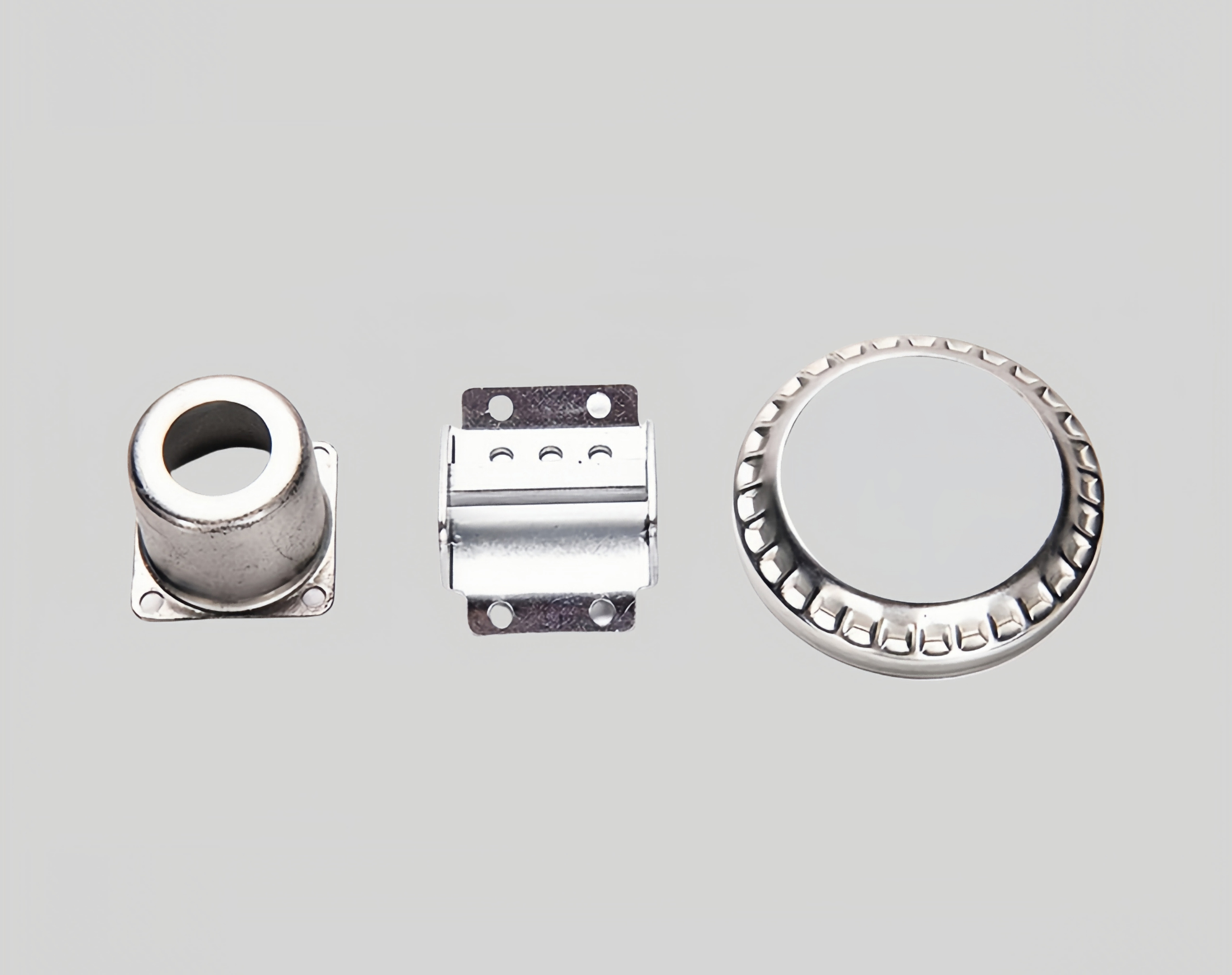
Post time: 2025-11-08 19:36:03
 Privacy settings