
Introduction to Aluminum Manufacturing Techniques
Aluminum is a versatile and widely used material, celebrated for its lightweight properties and exceptional strength. Among the various manufacturing methods, CNC (Computer Numerical Control) machining and casting are prominent techniques employed worldwide, including in China, where a vast number of manufacturers and suppliers operate. Both methods have distinct advantages and applications, but understanding their differences is essential for selecting the right process for your needs.
Understanding cnc aluminum
What is CNC Machining?
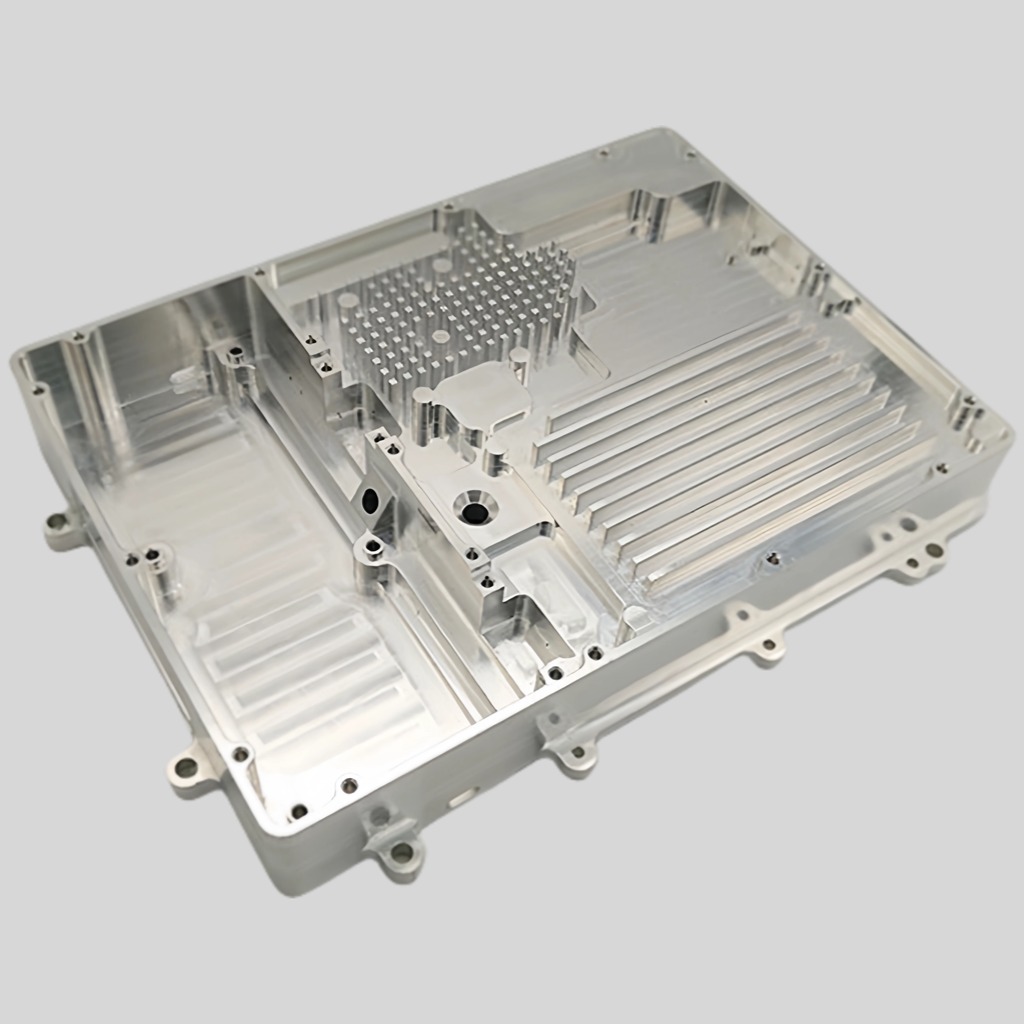
CNC machining involves using computer-controlled tools to remove material from a solid block of aluminum, producing highly precise and detailed components. This technique is favored for its ability to create complex shapes and tight tolerances, which are crucial in industries like aerospace, automotive, and electronics.
Advantages of CNC Aluminum
- Precision: CNC machining offers superior precision, enabling the production of intricate and detailed parts.
- Consistency: The automation of the process ensures that each part is identical, reducing the likelihood of human error.
- Material Strength: CNC parts often display improved mechanical properties due to the stress-relieving nature of the machining process.
Understanding Cast Aluminum
What is Casting?
Casting involves pouring molten aluminum into a mold, where it cools and solidifies into the desired shape. This technique is widely used by manufacturers and suppliers for its efficiency in producing complex parts in high volumes.
Advantages of Cast Aluminum
- Cost-Effective: Casting is generally more cost-effective for large production runs due to its lower material waste and energy consumption.
- Flexibility: Cast aluminum can be easily formed into complex shapes and sizes that might be challenging or impossible with CNC machining.
- Speed: The casting process is typically faster than CNC machining for bulk production, making it ideal for meeting high demand.
Material Properties and Composition
Aluminum Alloys Used in CNC and Casting
The choice of alloy can significantly impact the properties of aluminum, whether CNC machined or cast. CNC machining often uses high-strength alloys such as 6061 or 7075, known for their excellent strength-to-weight ratios. In contrast, casting may use alloys like A356, prized for their fluidity and castability.
Impact of Material Composition
The elemental composition of these alloys influences their mechanical properties, including tensile strength and resistance to environmental factors. CNC machined parts, processed from solid billets, often have more uniform compositions compared to cast parts, which may suffer from porosity or inclusions.
Tensile Strength Comparison
Tensile Strength in CNC Machined Aluminum
CNC machined aluminum parts generally exhibit higher tensile strength due to the uniformity and integrity of the billet material. For instance, 7075-T6 aluminum, a common CNC material, can have a tensile strength of up to 572 MPa.
Tensile Strength in Cast Aluminum
Cast aluminum components typically display lower tensile strengths, influenced by potential casting defects and alloy selection. For example, A356 cast aluminum may reach tensile strengths of about 241 MPa, significantly lower than CNC alternatives.
Durability and Longevity
Durability Factors in CNC Aluminum
CNC aluminum parts are renowned for their durability and resistance to stress and fatigue. The uniform grain structure and absence of casting defects contribute to longer service life and reliability, particularly in high-stress applications.
Longevity of Cast Aluminum
While cast aluminum parts can be durable, their susceptibility to defects such as porosity and voids can compromise longevity. Adequate inspection and quality control are vital for ensuring cast component reliability.
Machinability and Precision
Machinability of CNC Aluminum
CNC machining offers unmatched precision and repeatability, essential for applications requiring tight tolerances and complex geometries. The process is further enhanced by advanced software and skilled operators, prevalent in competitive manufacturing hubs like China.
Precision in Cast Aluminum
Although casting allows for the creation of complex shapes, achieving high precision can be challenging. Post-casting machining is often required to meet tolerances that CNC processes achieve directly, which may increase costs and production time.
Cost Implications and Efficiency
Cost Efficiency in CNC Machining
CNC machining is typically more expensive for small production runs due to higher setup costs and material waste. However, its precision can reduce product failures and associated costs.
Economic Aspects of Casting
Cast aluminum parts are generally more cost-effective for large-scale production, leveraging economies of scale. The lower initial costs and minimal material waste can make it a preferable choice for high-volume manufacturers and suppliers.
Environmental and Sustainability Factors
Environmental Considerations in CNC Machining
CNC processes, while efficient, can generate significant waste material and require substantial energy. However, efficient material recycling and energy-saving technologies are becoming increasingly available, especially in progressive manufacturing nations like China.
Sustainability of Casting Processes
Casting processes often produce less waste and can utilize recycled aluminum, enhancing sustainability. Innovations in mold materials and casting techniques continue to reduce the environmental footprint of casting operations.
Conclusion: Choosing the Right Aluminum
Factors to Consider
Choosing between CNC machined and cast aluminum depends on various factors, including cost, required strength, production volume, and application. For applications demanding high precision and strength, CNC machining is often the preferred method. Conversely, casting is ideal for large runs requiring complex shapes at a lower cost.
Maxtech Provide Solutions
Maxtech stands out as a leader in delivering customized aluminum solutions tailored to industrial needs. With a skilled team and state-of-the-art technology, Maxtech excels in both CNC machining and casting processes. Our expertise ensures that every product meets the highest standards of quality and performance. Through a robust partnership with manufacturers and suppliers, Maxtech offers competitive pricing and reliable solutions, setting the benchmark for excellence in aluminum manufacturing.
Post time: 2025-10-24 17:57:09
 Privacy settings