
stamping
Maxtech is a distinguished private enterprise specializing in machining spare parts, strategically located in Yaqian Town, Xiaoshan District, Hangzhou. As a leading player in the sheet metal manufacturing industry, we are celebrated for our unmatched precision and reliability. Our core focus lies in customizing products based on clients' drafts and samples, ensuring high-quality services that cater to diverse industries, including electronics, healthcare, communication, reinforced systems, and automation machines.
At Maxtech, we deliver an extensive range of services, including metal stamping parts, mechanical components, CNC parts, precision machining services, stamping molds and fixtures, automotive stamping parts, forklift parts, and customized cutting services. Our expertise spans various materials such as metal, steel, stainless steel, aluminum, iron, copper, and brass, with a variety of surface treatments available to meet specific requirements.
Equipped with over 30 sets of advanced mechanical equipment, including CNC lathes, machining centers, and automated spraying systems, we ensure superior output quality. Our team of professional engineers, boasting over two decades of experience, is dedicated to solving intricate project challenges and optimizing production processes.
Maxtech is actively expanding its footprint in international markets across Asia, Europe, and Africa, positioning itself as a premier exporter of custom metal stampings worldwide. For reliable, high-precision metal stamping parts, trust Maxtech to deliver excellence tailored to your specifications. Contact us today to learn more about our comprehensive solutions.
At Maxtech, we deliver an extensive range of services, including metal stamping parts, mechanical components, CNC parts, precision machining services, stamping molds and fixtures, automotive stamping parts, forklift parts, and customized cutting services. Our expertise spans various materials such as metal, steel, stainless steel, aluminum, iron, copper, and brass, with a variety of surface treatments available to meet specific requirements.
Equipped with over 30 sets of advanced mechanical equipment, including CNC lathes, machining centers, and automated spraying systems, we ensure superior output quality. Our team of professional engineers, boasting over two decades of experience, is dedicated to solving intricate project challenges and optimizing production processes.
Maxtech is actively expanding its footprint in international markets across Asia, Europe, and Africa, positioning itself as a premier exporter of custom metal stampings worldwide. For reliable, high-precision metal stamping parts, trust Maxtech to deliver excellence tailored to your specifications. Contact us today to learn more about our comprehensive solutions.
-
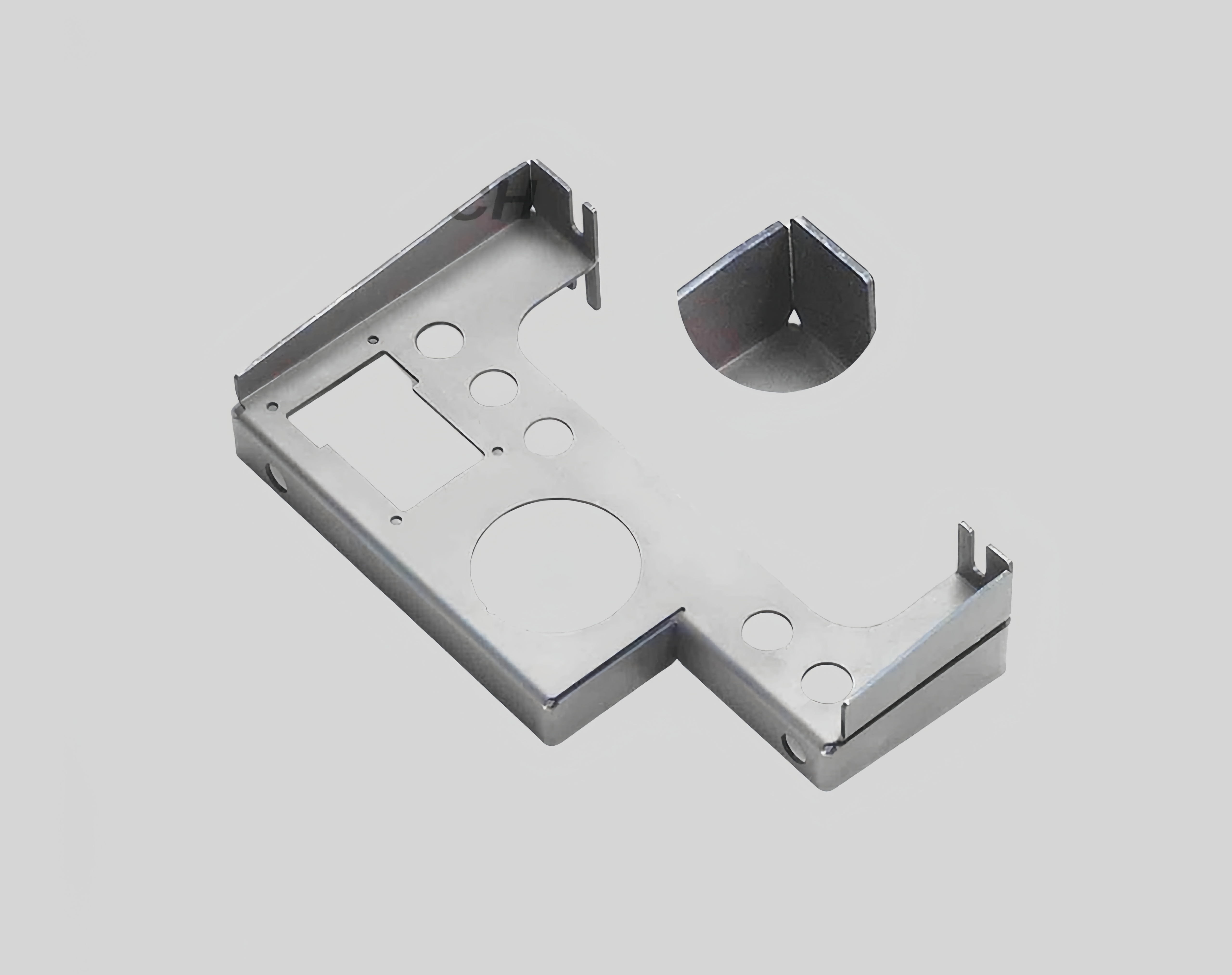
Sheet metal stamping part service
-
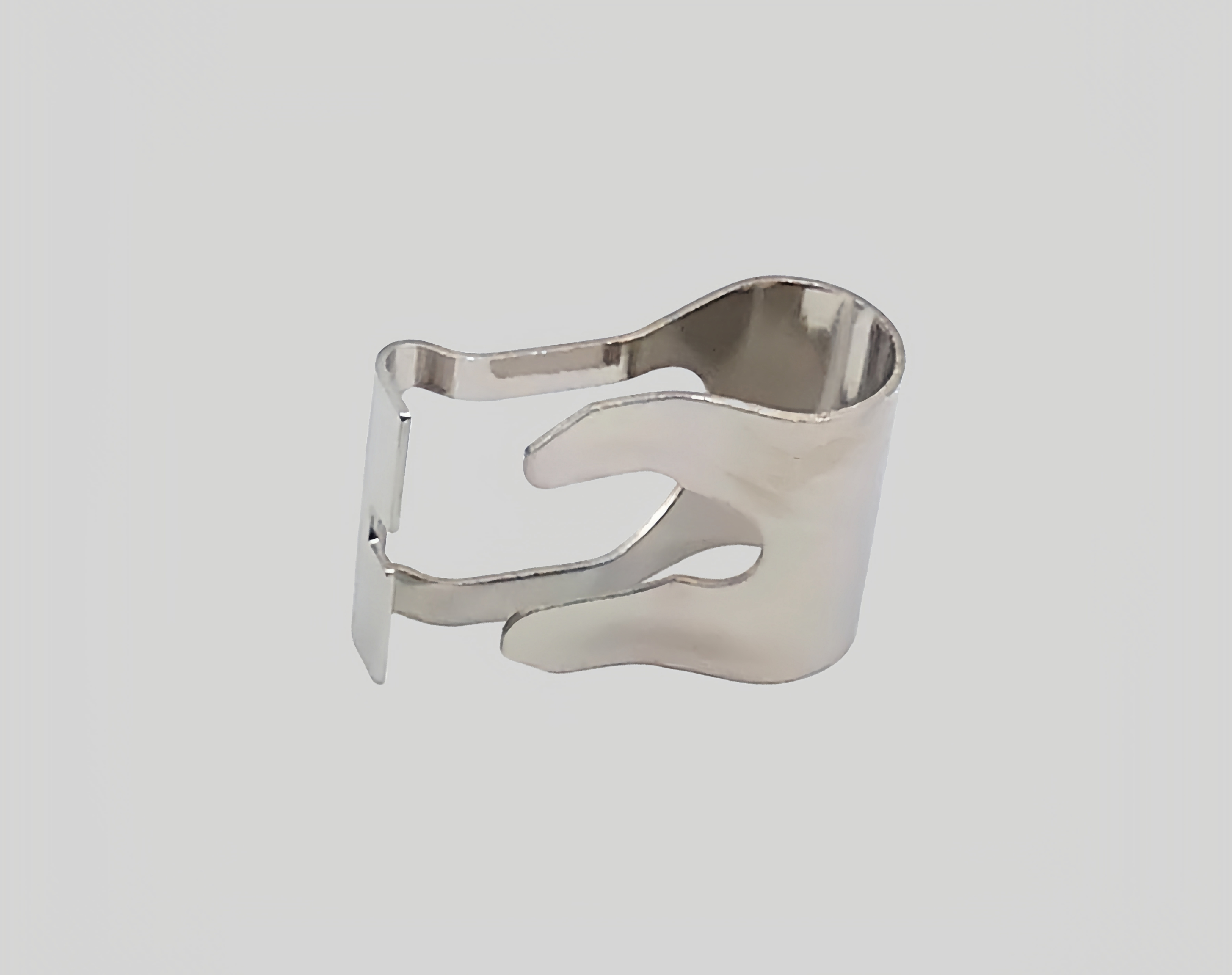
Processing Stainless Steel Stamping Part
-
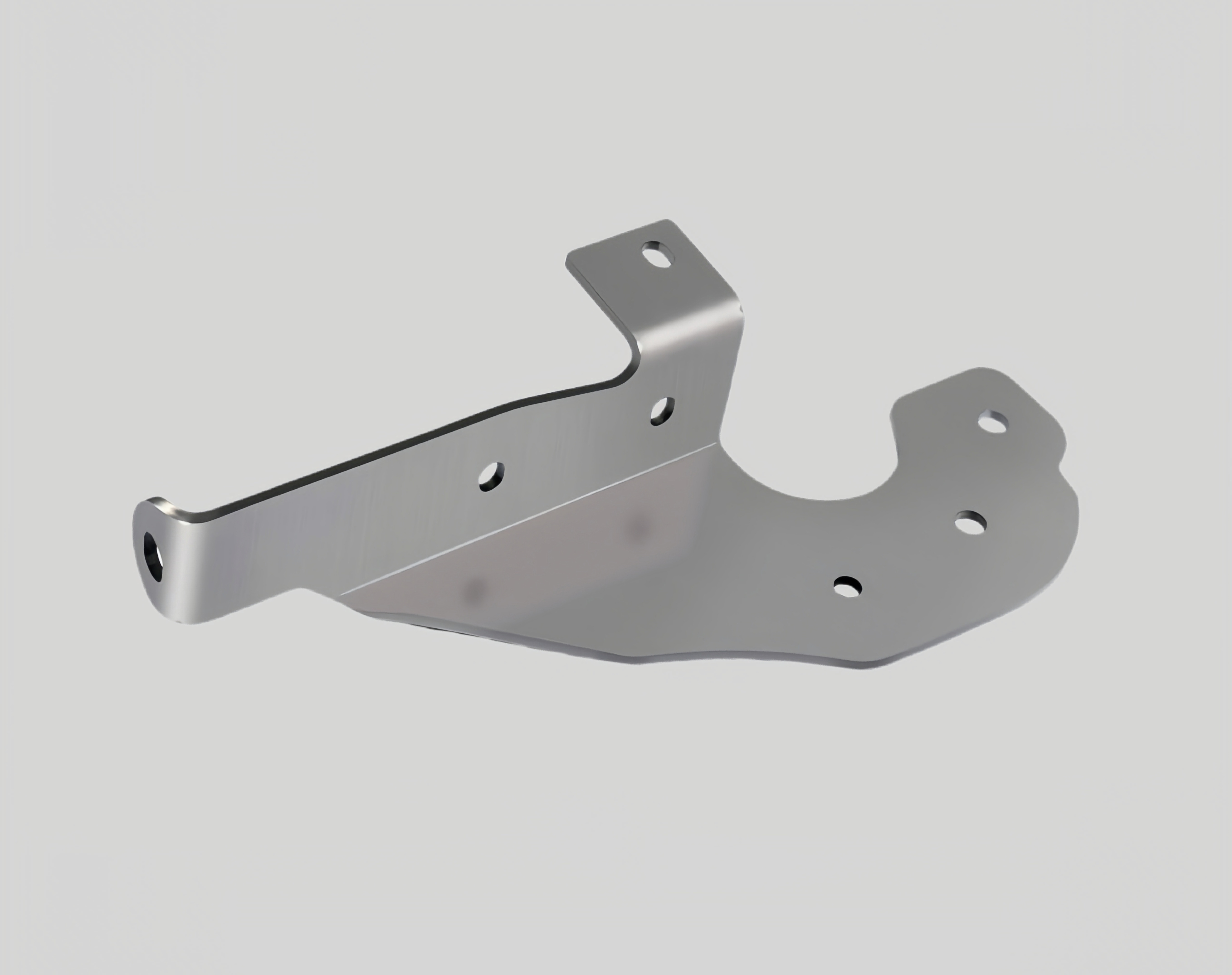
Precision strong style sheet metal stamping parts
-
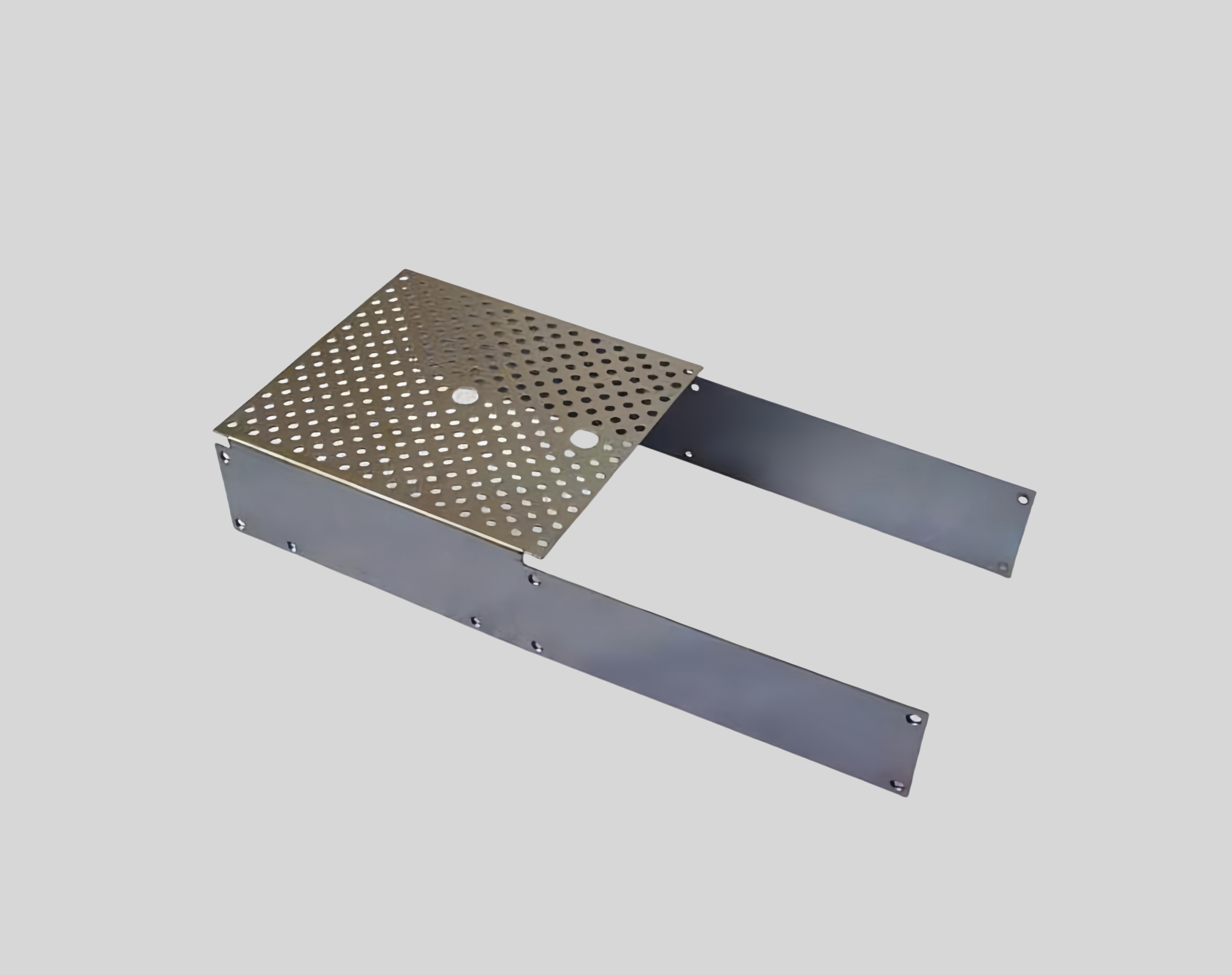
Panel beating stainless steel sheet metal stamping part
-
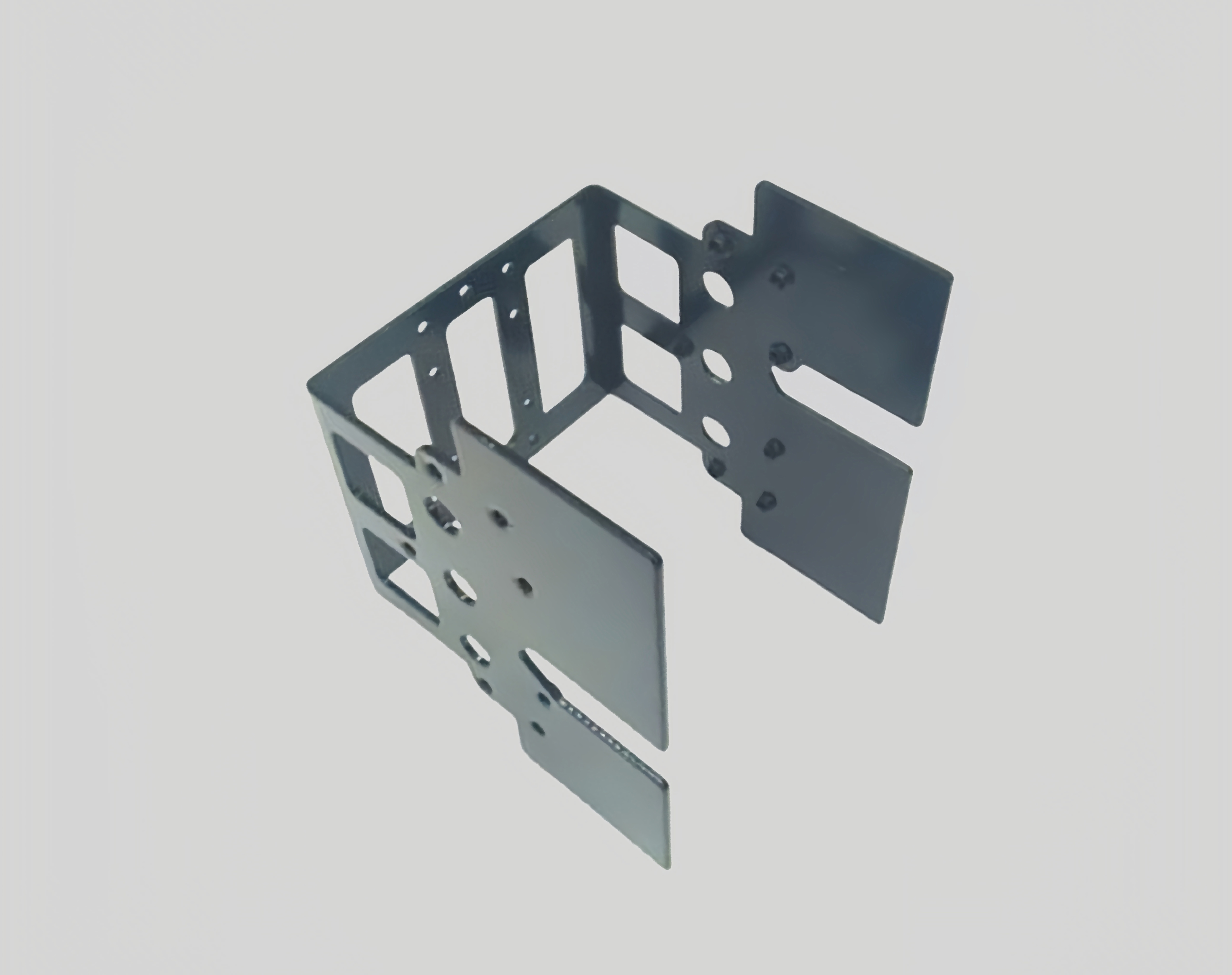
OEM-ODM-Sheet-Metal-Fabrication-Precision-Stamping
-
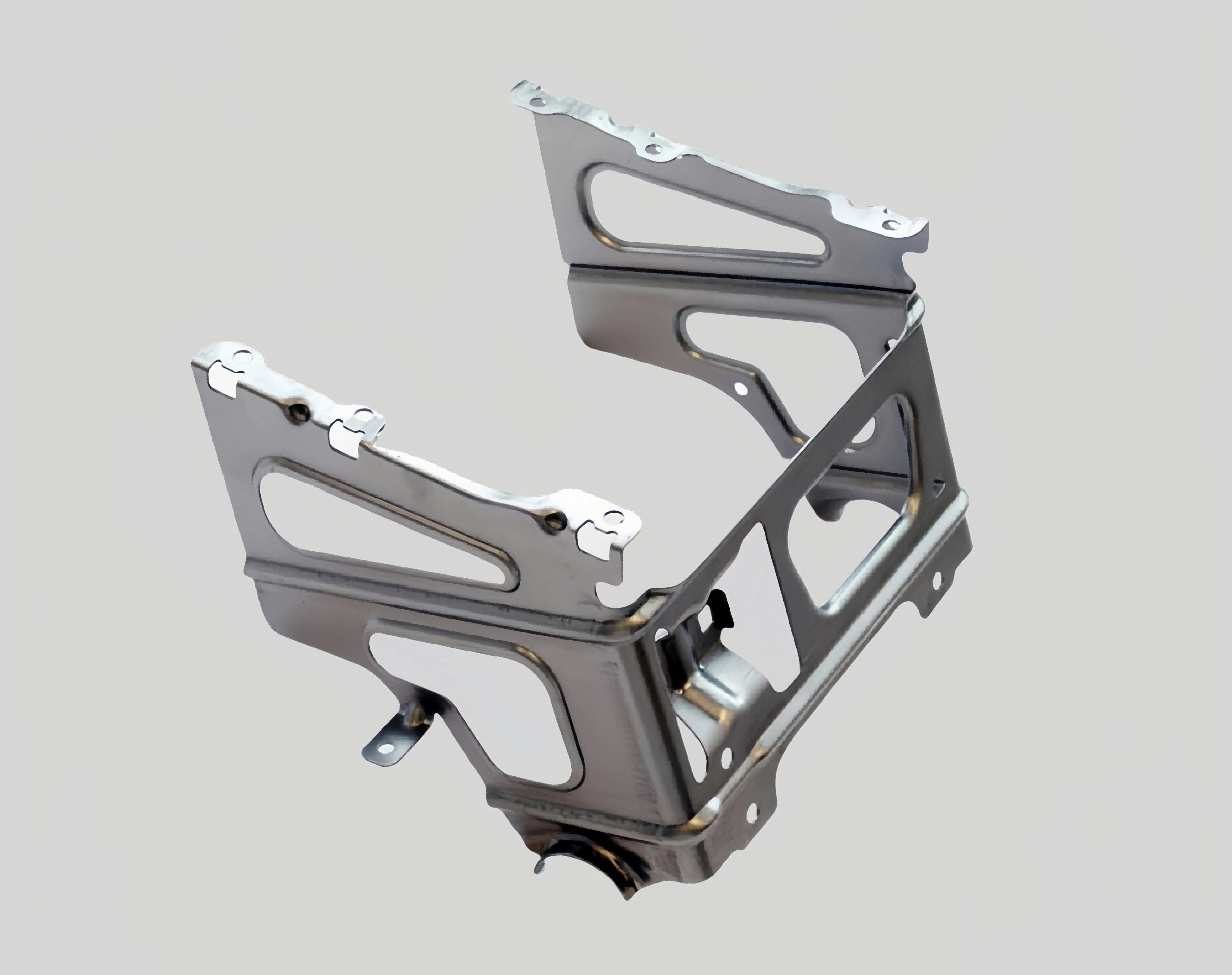
OEM metal auto stamping parts
-
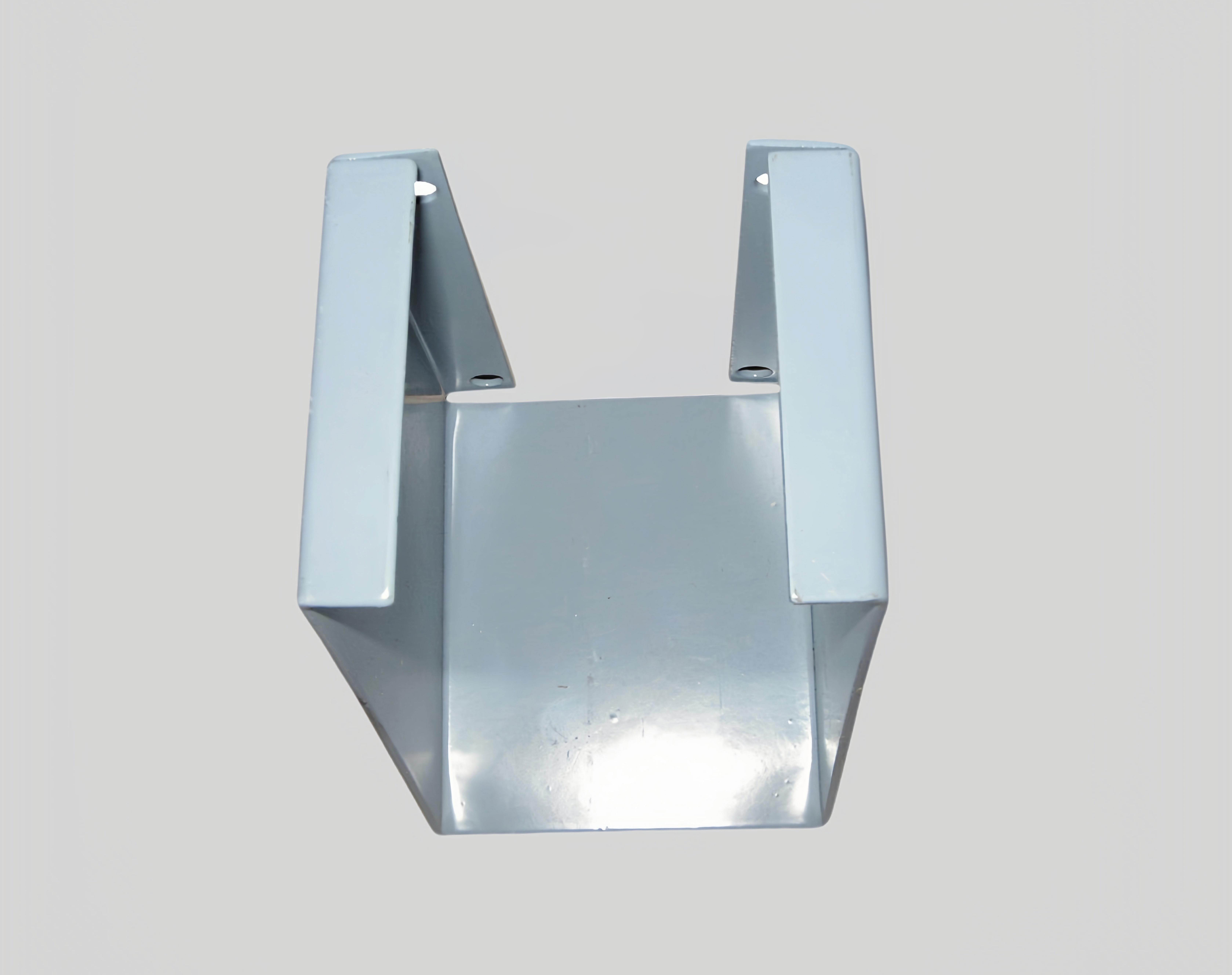
OEM customized aluminum metal stamping part
-
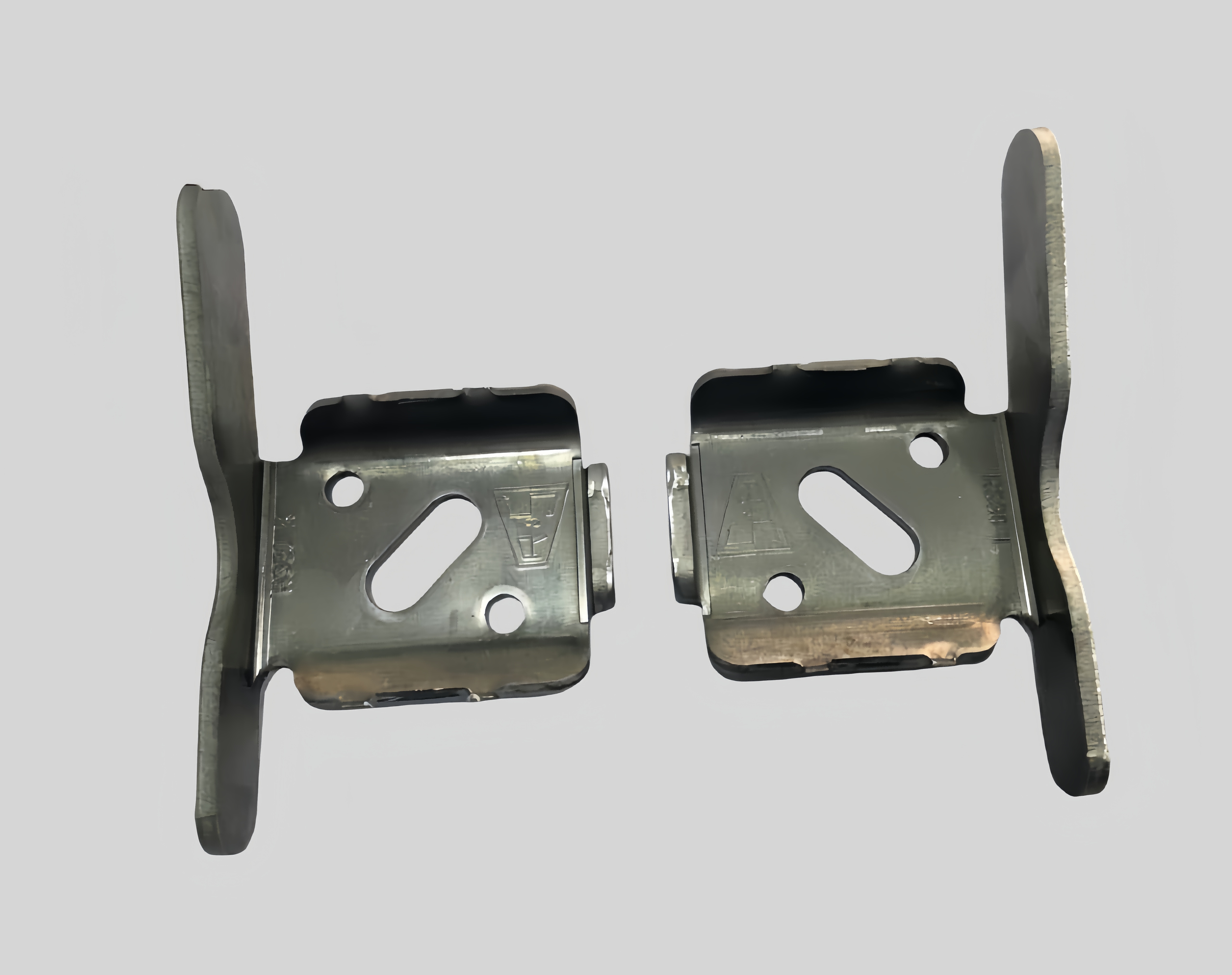
Metal stamping parts
-
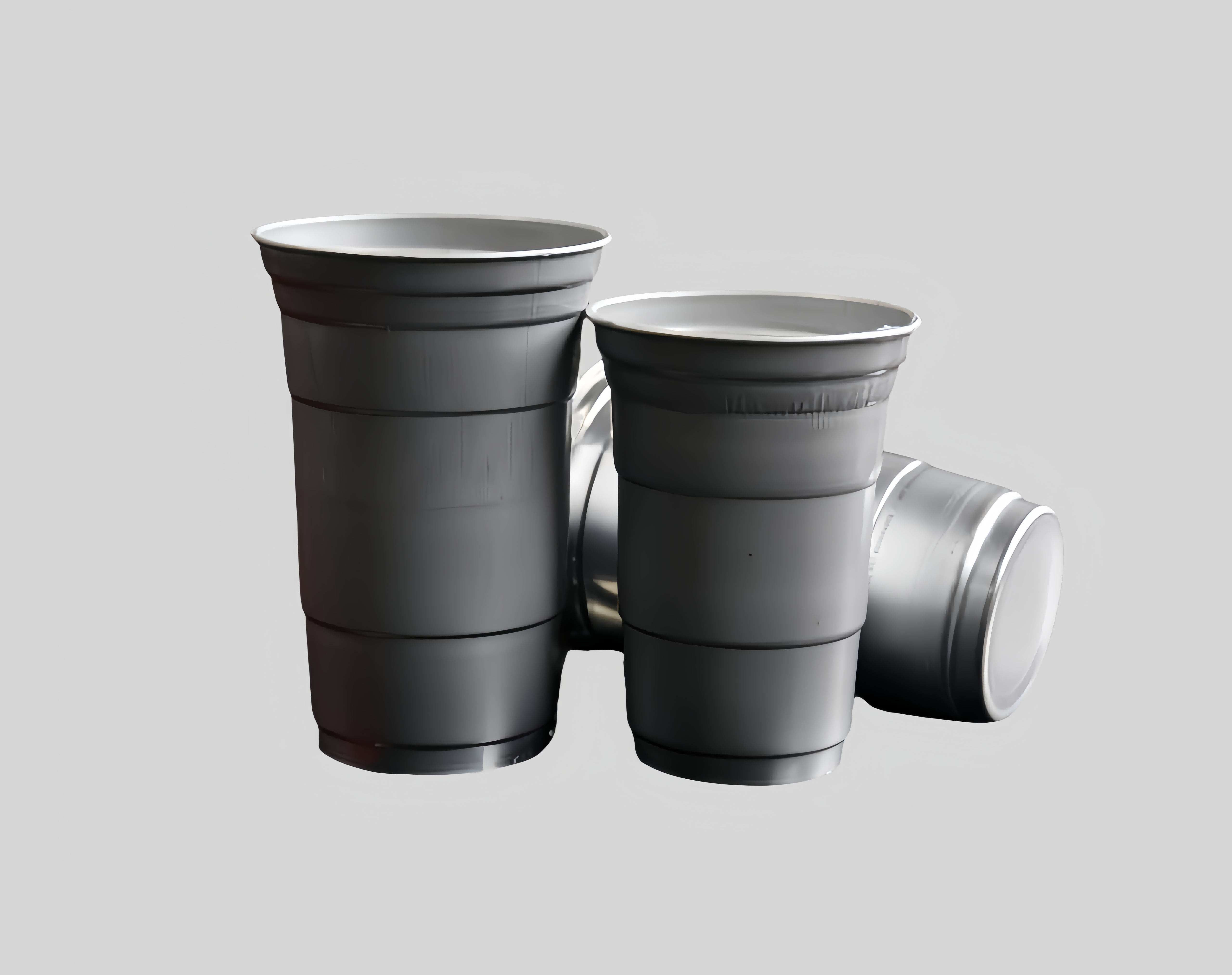
Metal aluminum deep drawn stamping part product
-
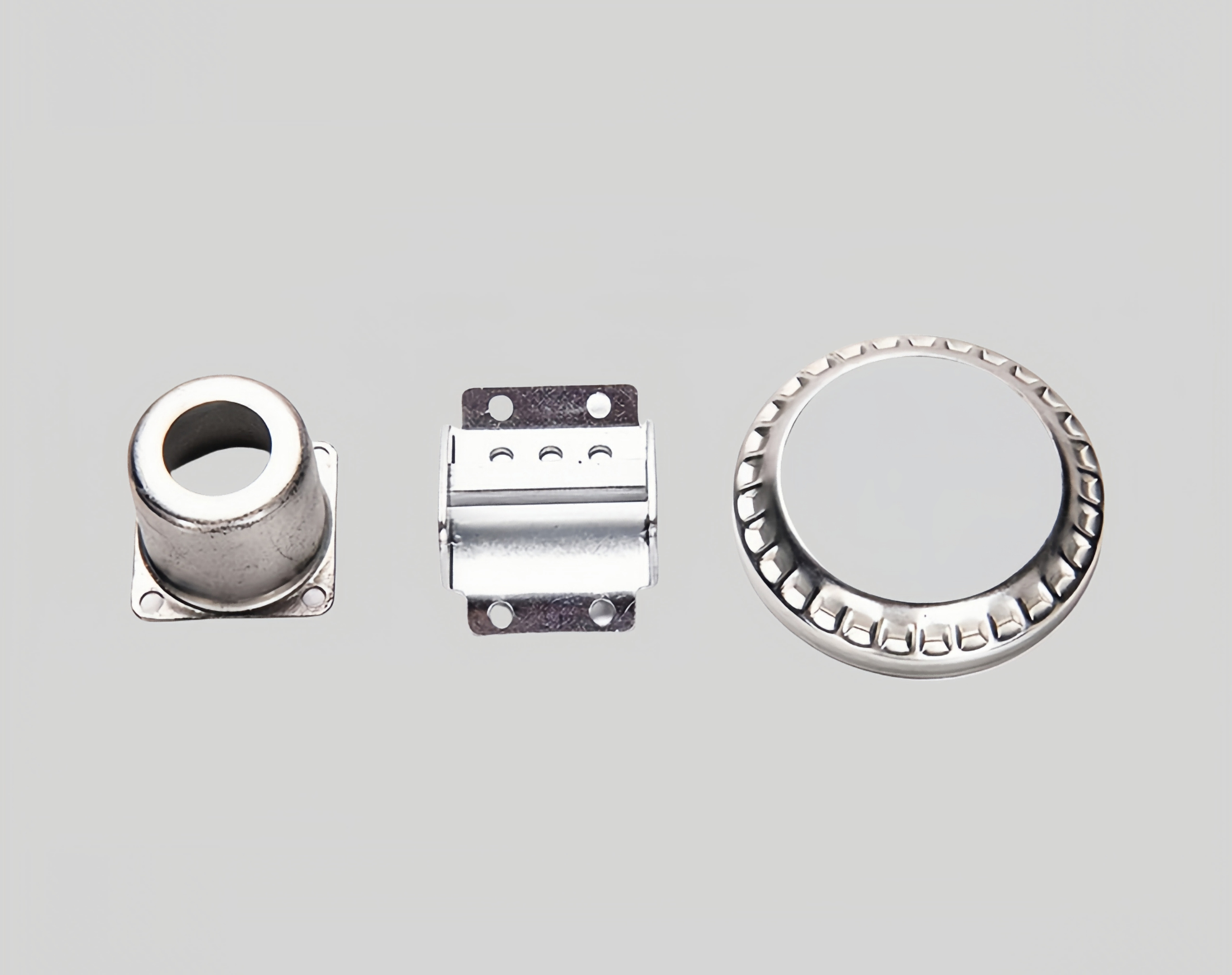
High precision metal machining stamping parts
-
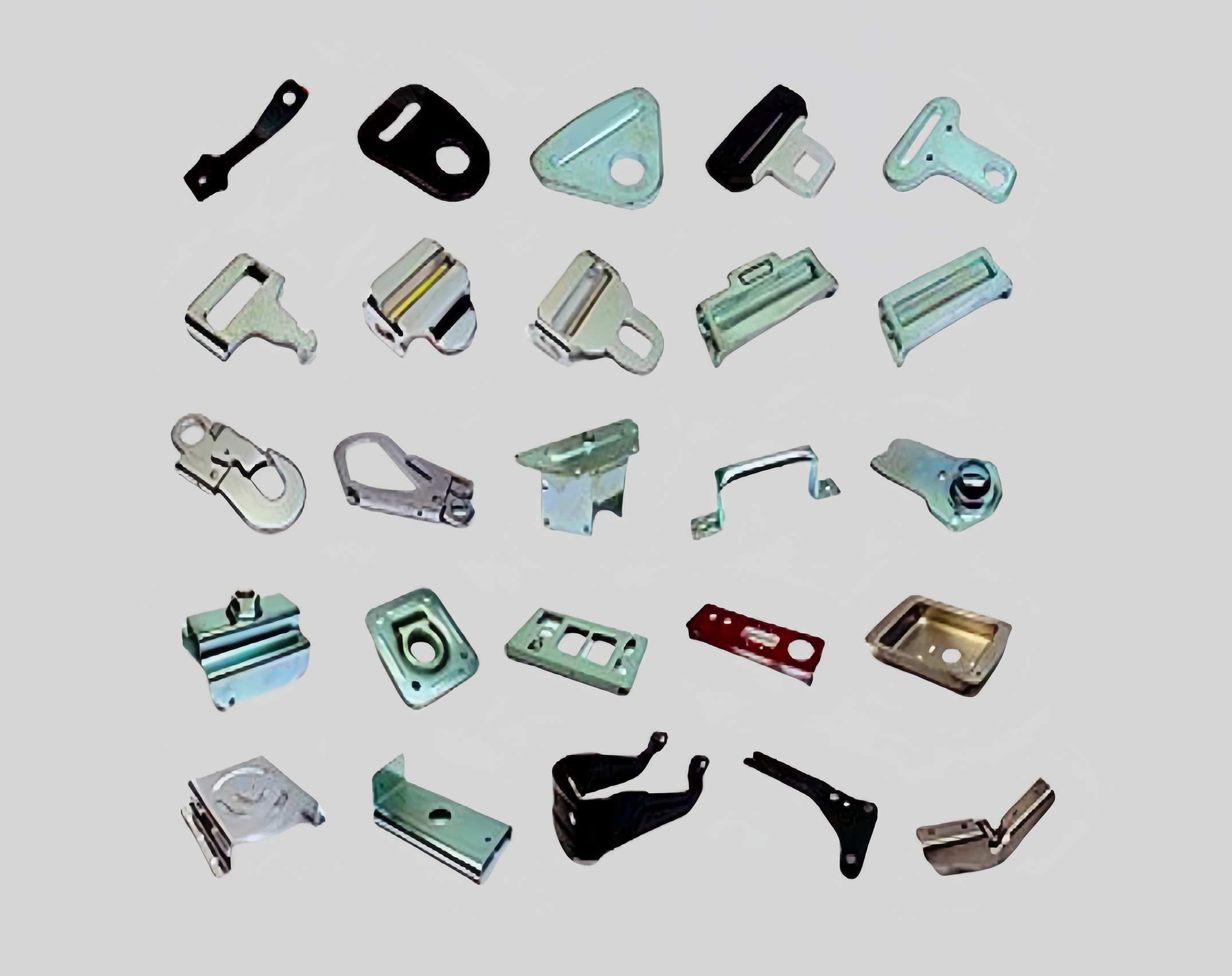
furniture-connecting-sheet-metal-manufacturing-stamping-parts
-
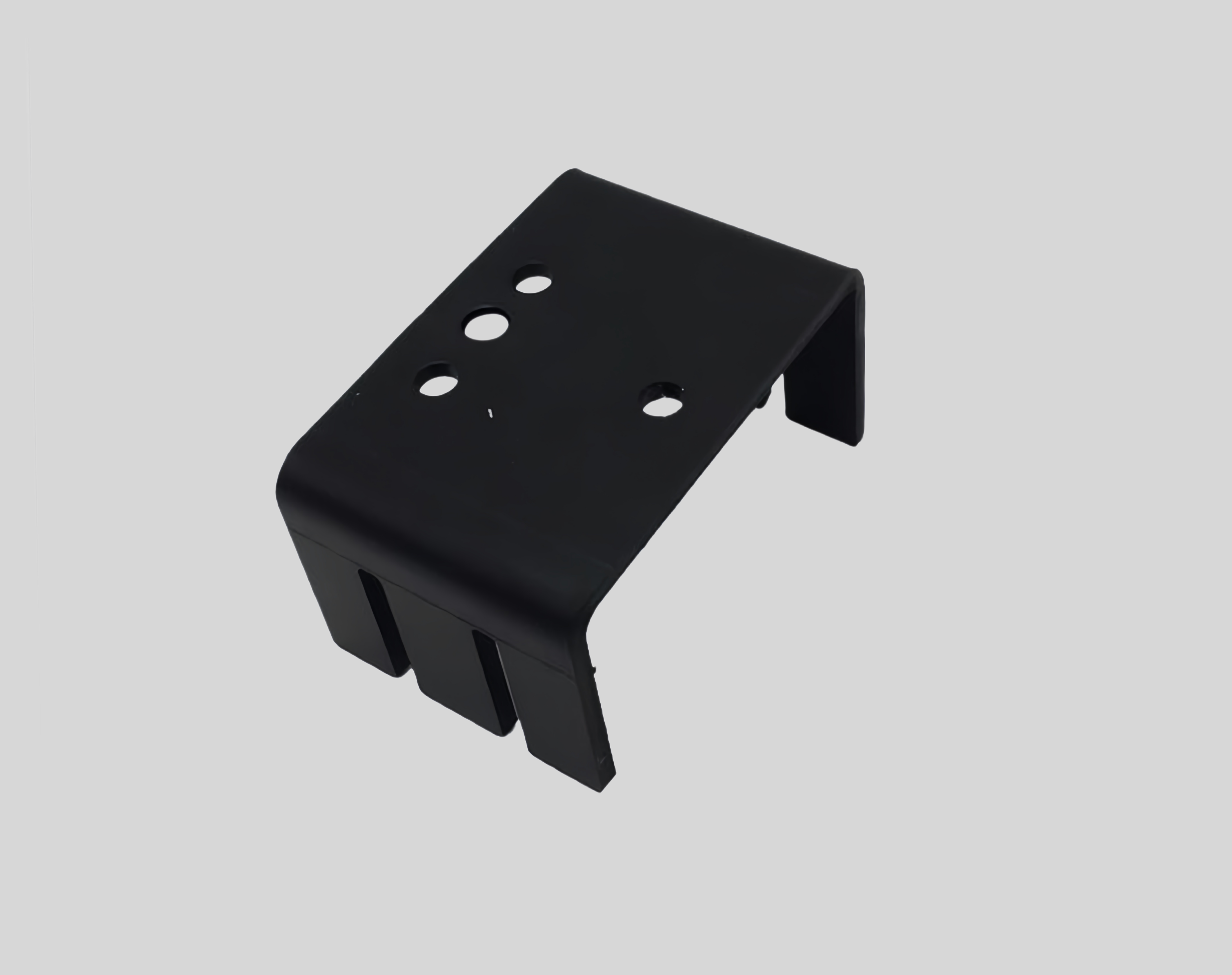
Fabrication Forming Bending Welding stamping Parts
The Frequent FAQs of STAMPING PARTS
Which machine is used for stamping?▾
Certainly! Here's a 500-word main content on the theme "Which machine is used for stamping?"
---
Understanding Stamping Machines
Stamping machines are vital tools in the metalworking industry, used to shape or cut metal by deforming it with a die. The primary machine used for stamping is the stamping press, which employs precision-made male and female dies to shape the final product. This modern counterpart to the hammer and anvil has revolutionized the way metal components are manufactured, allowing for high precision and efficiency in various industrial applications.
Stamping presses come in multiple frame configurations, such as C-Frame, H-Frame, and straight-sided frames, each designed to cater to specific needs based on the tonnage and type of stamping required. The selection of the appropriate press is crucial, as it must be tailored to the specific application—whether it’s blanking, forming, progressive, or transfer stamping.
Key Components of Stamping Presses
The bolster plate and the ram (or slide) are central components of a stamping press. The bolster plate is a large, stationary block of metal mounted on top of the press bed, where the bottom portion of a die is clamped. In larger presses, particularly those used in the automotive industry, die cushions integrated into the bolster plate are often included to apply blank holder or counter draw forces essential for deep drawing operations.
The ram or slide, by contrast, is the moving component that holds the upper die and moves vertically, acting like a hammer to an anvil. Proper guidance of the ram is crucial to ensure long die life and consistent product quality. Various types of slide guides, such as 4-point V-Gibs or 8-point full-length slide guides, are available depending on the press size and application requirements.
Mechanical and hydraulic presses represent the two main types of stamping presses, each with distinct advantages. Mechanical presses use an eccentric drive system, which dictates the force progression during the ram’s stroke. They boast faster operation speeds and are most efficient when full tonnage is required near the bottom of the stroke. However, they come with a tonnage curve, meaning they deliver maximum force only at specific points in the stroke.
Hydraulic presses, on the other hand, offer full tonnage at any point in the stroke, providing more consistent force and greater control, which is particularly beneficial for deep forming or drawing operations. Although generally slower than mechanical presses, hydraulic presses are indispensable when extended dwell times at the bottom of the stroke are necessary, ensuring precision and minimizing material stress.
Additional Features and Controls
Modern stamping presses are often equipped with advanced control systems to enhance automation and safety. Programmable logic controllers (PLCs) are typically used to automate material feeding and monitor the tonnage applied during each stroke. The raw material, usually fed from a coil, is straightened before being fed into the press. This integration not only improves efficiency but also ensures accuracy and consistency in the stamping process.
Additionally, tonnage monitors are commonly employed to observe and record the force exerted during each stroke, providing valuable data for maintenance and quality control. Ensuring optimal performance and longevity of these machines requires careful monitoring and preventive maintenance, highlighting the importance of robust control systems.
Embarking on Stamping Projects
Choosing the right stamping machine requires a thorough understanding of the specific requirements of the stamping project. Collaborating with a trusted stamping supplier can provide invaluable insights and recommendations tailored to your needs. Whether you're in need of mechanical or hydraulic presses, or require specialized configurations and controls, partnering with an experienced supplier ensures that you obtain the most efficient and reliable machinery for your stamping operations.
---
Understanding Stamping Machines
Stamping machines are vital tools in the metalworking industry, used to shape or cut metal by deforming it with a die. The primary machine used for stamping is the stamping press, which employs precision-made male and female dies to shape the final product. This modern counterpart to the hammer and anvil has revolutionized the way metal components are manufactured, allowing for high precision and efficiency in various industrial applications.
Stamping presses come in multiple frame configurations, such as C-Frame, H-Frame, and straight-sided frames, each designed to cater to specific needs based on the tonnage and type of stamping required. The selection of the appropriate press is crucial, as it must be tailored to the specific application—whether it’s blanking, forming, progressive, or transfer stamping.
Key Components of Stamping Presses
The bolster plate and the ram (or slide) are central components of a stamping press. The bolster plate is a large, stationary block of metal mounted on top of the press bed, where the bottom portion of a die is clamped. In larger presses, particularly those used in the automotive industry, die cushions integrated into the bolster plate are often included to apply blank holder or counter draw forces essential for deep drawing operations.
The ram or slide, by contrast, is the moving component that holds the upper die and moves vertically, acting like a hammer to an anvil. Proper guidance of the ram is crucial to ensure long die life and consistent product quality. Various types of slide guides, such as 4-point V-Gibs or 8-point full-length slide guides, are available depending on the press size and application requirements.
● Mechanical vs. Hydraulic Presses
Mechanical and hydraulic presses represent the two main types of stamping presses, each with distinct advantages. Mechanical presses use an eccentric drive system, which dictates the force progression during the ram’s stroke. They boast faster operation speeds and are most efficient when full tonnage is required near the bottom of the stroke. However, they come with a tonnage curve, meaning they deliver maximum force only at specific points in the stroke.
Hydraulic presses, on the other hand, offer full tonnage at any point in the stroke, providing more consistent force and greater control, which is particularly beneficial for deep forming or drawing operations. Although generally slower than mechanical presses, hydraulic presses are indispensable when extended dwell times at the bottom of the stroke are necessary, ensuring precision and minimizing material stress.
Additional Features and Controls
Modern stamping presses are often equipped with advanced control systems to enhance automation and safety. Programmable logic controllers (PLCs) are typically used to automate material feeding and monitor the tonnage applied during each stroke. The raw material, usually fed from a coil, is straightened before being fed into the press. This integration not only improves efficiency but also ensures accuracy and consistency in the stamping process.
Additionally, tonnage monitors are commonly employed to observe and record the force exerted during each stroke, providing valuable data for maintenance and quality control. Ensuring optimal performance and longevity of these machines requires careful monitoring and preventive maintenance, highlighting the importance of robust control systems.
Embarking on Stamping Projects
Choosing the right stamping machine requires a thorough understanding of the specific requirements of the stamping project. Collaborating with a trusted stamping supplier can provide invaluable insights and recommendations tailored to your needs. Whether you're in need of mechanical or hydraulic presses, or require specialized configurations and controls, partnering with an experienced supplier ensures that you obtain the most efficient and reliable machinery for your stamping operations.
What is the meaning of stamping machine?▾
A stamping machine, often referred to as a stamping press, is an essential metalworking machine tool designed to shape or cut metal through deformation using a die. To fully grasp the meaning of a stamping machine, it is imperative to delve into its constituent components, operational mechanics, and the myriad applications it serves in industries such as automotive, aerospace, and manufacturing.
At its core, a stamping machine comprises several critical components that work in unison to achieve precision and efficiency. The primary elements include the bolster plate, the ram or slide, and the die. The bolster plate, a large block of metal mounted atop the press bed, serves as the stationary base where the bottom portion of the die is clamped. For specific applications like deep drawing, the bolster plate might incorporate die cushions that apply blank holder or counter draw forces.
The ram or slide is the reciprocating member to which the upper die is affixed. Guided by various mechanisms, such as 4-point V-Gibs or 8-point full-length slide guides, the ram exerts vertical motion, akin to a hammer striking an anvil. The precise guidance of the ram is crucial to ensure uniform die wear and extended maintenance intervals. The dies and materials are fed between the bolster plate and the slide, where the deformation process takes place.
The operation of a stamping machine hinges on the drive system used to power the ram. Mechanical presses are commonly driven by an eccentric mechanism, translating rotary motion into linear movement for the ram. The force exerted during each stroke, known as the tonnage, varies along the ram's stroke, necessitating careful operation within the press's capacity limits. Mechanical presses are renowned for their speed, making them ideal for high-volume production runs.
Conversely, hydraulic presses utilize hydraulic cylinders to drive the ram, offering a consistent force throughout the stroke. Although slower than their mechanical counterparts, hydraulic presses are preferred for custom metal stampings that require deep drawing or forming applications, where dwell time at the bottom of the stroke is beneficial. Moreover, the choice between single-acting and double-acting presses depends on the complexity of the stamping process, with the latter providing additional control over blank holding and forming operations.
Modern stamping machines are often integrated with advanced automation systems to enhance efficiency and precision. Programmable logic controllers (PLCs) electronically link the press to automatic feeders, which continuously supply raw metal material to the die. The material, typically unrolled from a coil and straightened, is fed into the press, ensuring a seamless production flow. Additionally, tonnage monitors are installed to track the force exerted during each stroke, preventing overloading and ensuring product quality.
The significance of stamping machines in manufacturing cannot be overstated. They are instrumental in the production of various metal components, ranging from simple brackets to intricate automotive parts. By enabling high-speed and high-precision custom metal stampings, stamping machines facilitate mass production while maintaining stringent quality standards. The versatility of these machines allows them to perform a wide array of operations, including blanking, forming, progressive stamping, and transfer stamping.
In conclusion, a stamping machine is a pivotal tool in the realm of metalworking, combining robust components, sophisticated operational mechanics, and advanced automation to deliver precise and efficient metal deformation. Its ability to produce high-quality custom metal stampings makes it indispensable across various industrial applications, underpinning the manufacturing processes that drive modern economies. Understanding its components, operation, and applications offers valuable insights into its critical role in contemporary manufacturing.
● Components and Structure
At its core, a stamping machine comprises several critical components that work in unison to achieve precision and efficiency. The primary elements include the bolster plate, the ram or slide, and the die. The bolster plate, a large block of metal mounted atop the press bed, serves as the stationary base where the bottom portion of the die is clamped. For specific applications like deep drawing, the bolster plate might incorporate die cushions that apply blank holder or counter draw forces.
The ram or slide is the reciprocating member to which the upper die is affixed. Guided by various mechanisms, such as 4-point V-Gibs or 8-point full-length slide guides, the ram exerts vertical motion, akin to a hammer striking an anvil. The precise guidance of the ram is crucial to ensure uniform die wear and extended maintenance intervals. The dies and materials are fed between the bolster plate and the slide, where the deformation process takes place.
● Operational Mechanics
The operation of a stamping machine hinges on the drive system used to power the ram. Mechanical presses are commonly driven by an eccentric mechanism, translating rotary motion into linear movement for the ram. The force exerted during each stroke, known as the tonnage, varies along the ram's stroke, necessitating careful operation within the press's capacity limits. Mechanical presses are renowned for their speed, making them ideal for high-volume production runs.
Conversely, hydraulic presses utilize hydraulic cylinders to drive the ram, offering a consistent force throughout the stroke. Although slower than their mechanical counterparts, hydraulic presses are preferred for custom metal stampings that require deep drawing or forming applications, where dwell time at the bottom of the stroke is beneficial. Moreover, the choice between single-acting and double-acting presses depends on the complexity of the stamping process, with the latter providing additional control over blank holding and forming operations.
● Automation and Control
Modern stamping machines are often integrated with advanced automation systems to enhance efficiency and precision. Programmable logic controllers (PLCs) electronically link the press to automatic feeders, which continuously supply raw metal material to the die. The material, typically unrolled from a coil and straightened, is fed into the press, ensuring a seamless production flow. Additionally, tonnage monitors are installed to track the force exerted during each stroke, preventing overloading and ensuring product quality.
● Applications and Significance
The significance of stamping machines in manufacturing cannot be overstated. They are instrumental in the production of various metal components, ranging from simple brackets to intricate automotive parts. By enabling high-speed and high-precision custom metal stampings, stamping machines facilitate mass production while maintaining stringent quality standards. The versatility of these machines allows them to perform a wide array of operations, including blanking, forming, progressive stamping, and transfer stamping.
In conclusion, a stamping machine is a pivotal tool in the realm of metalworking, combining robust components, sophisticated operational mechanics, and advanced automation to deliver precise and efficient metal deformation. Its ability to produce high-quality custom metal stampings makes it indispensable across various industrial applications, underpinning the manufacturing processes that drive modern economies. Understanding its components, operation, and applications offers valuable insights into its critical role in contemporary manufacturing.
 Privacy settings