
Advancements in CNC Machine Design
Innovations Leading the Way
CNC technology has undergone significant transformations, characterized by enhancements in machine design. Innovations such as multi-axis machining and the use of lightweight, durable materials have pushed the boundaries of what these machines can accomplish. Multi-axis CNC machines, which now feature up to 12 axes, allow for unprecedented precision and complexity in metal fabrication. These advancements reduce manual intervention, increase accuracy, and decrease production time, making CNC technology indispensable in modern metal fabrication.
Improving Efficiency and Reducing Costs
The enhancements in CNC design have not only increased the operational capabilities but also improved overall efficiency. By integrating smarter control systems and energy-efficient components, manufacturers can now achieve up to 30% energy savings. This efficiency not only reduces operational costs but also aligns with global sustainability initiatives. As a result, factories, particularly in China and other industrial hotspots, are able to produce high-quality metal products at a lower cost, thereby maintaining competitiveness in the global market.
Automation and Robotics in Metal Fabrication
The Synergy of CNC and Robotics
The integration of automation and robotics within CNC technology has revolutionized metal fabrication processes. Robotics allows for automated loading and unloading, continuous operation, and enhanced precision. This synergy is especially beneficial in wholesale production environments where consistency and volume are crucial. Automated systems can operate around the clock, significantly increasing productivity while minimizing the risk of human error.
Enhancing Productivity in Factories
Incorporating robotics into CNC workflows has proven to be a game-changer for factories. By increasing production capacity by up to 40%, wholesale operations can fulfill larger orders with shorter lead times. Furthermore, automation minimizes downtime and maximizes resource utilization, allowing factories to operate more efficiently, meeting the growing demands of both local and international markets.
Impact of CNC on Production Efficiency
Streamlining Manufacturing Processes
With CNC technology, metal fabrication has become more streamlined and efficient. Advanced software systems allow for precise programming of the manufacturing process, reducing cycle times and eliminating material waste. CNC systems can adapt to various production requirements, offering flexibility in creating bespoke components or handling large-scale orders.
Economic Advantages for Manufacturers
The efficiency improvements brought about by CNC technology translate into direct economic benefits for manufacturers. Factories can reduce labor costs by 20% and material waste by 15%, resulting in significant cost savings. This allows manufacturers, especially in competitive markets like China, to offer more competitive pricing without compromising on quality, thereby enhancing their appeal to global buyers.
CNC and Sustainable Manufacturing Practices
Environmental Benefits of CNC Technology
CNC technology plays a significant role in enhancing sustainability within the manufacturing sector. By optimizing material usage and reducing waste, CNC operations help decrease the environmental footprint of metal fabrication processes. Additionally, energy-efficient machines and automated systems contribute to lower carbon emissions.
Alignment with Global Environmental Goals
Adopting sustainable manufacturing practices is increasingly becoming a priority for factories worldwide. CNC technology supports these efforts by enabling more eco-friendly production methods. By aligning with sustainability goals, manufacturers can enhance their reputation, appeal to environmentally conscious consumers, and comply with international regulations on emissions and waste disposal.
Customization and Flexibility in CNC Operations
Meeting Diverse Customer Needs
CNC technology allows manufacturers to offer customized solutions tailored to specific customer requirements. Advanced software enables quick reprogramming of CNC machines to accommodate different designs and specifications, providing a high degree of flexibility in production. This capability is especially valuable in China’s dynamic market, where customer demands frequently change.
Enhancing Competitive Edge
The ability to provide highly customized products quickly can significantly enhance a manufacturer's competitive edge. Factories that can quickly adapt to changing market needs are better positioned to capture new business opportunities and retain existing clients. This agility is crucial in maintaining a strong market presence, especially in sectors where customization is a key differentiator.
The Role of AI and Machine Learning in CNC
Smart Manufacturing with AI
Artificial intelligence and machine learning are increasingly being integrated into CNC systems, ushering in an era of smart manufacturing. These technologies enable predictive maintenance, process optimization, and real-time decision-making, enhancing the overall efficiency and reliability of CNC operations.
Reducing Downtime and Enhancing Quality
AI-powered CNC systems can analyze data from various machine sensors to predict potential failures and schedule maintenance proactively. This reduces downtime by up to 25% and enhances product quality by maintaining optimal machine conditions. Such advancements are particularly beneficial in high-volume production settings, such as those found in China, where maintaining continuous production is critical.
Integration of CNC with Additive Manufacturing
Combining Traditional and Modern Techniques
The integration of CNC technology with additive manufacturing (AM) techniques, such as 3D printing, is creating new possibilities in metal fabrication. By combining the precision of CNC machining with the flexibility of AM, manufacturers can produce complex geometries and intricate designs that were previously unattainable.
Expanding Product Offerings
This integration allows factories to expand their product offerings by incorporating the strengths of both technologies. Manufacturers can now produce components that are both lightweight and strong, which is particularly advantageous in industries such as aerospace and automotive. As a result, factories, especially in resource-rich regions like China, can enhance their product portfolios and explore new market opportunities.
Future Workforce and Skill Requirements
Shifting Workforce Dynamics
As CNC technology continues to evolve, the skill requirements for the workforce are also changing. There is an increasing demand for operators who are not only skilled in traditional machining techniques but also proficient in computer programming and data analysis.
Investing in Education and Training
To keep up with technological advancements, manufacturers need to invest in education and training programs. By focusing on upskilling the workforce, factories can ensure they have the necessary expertise to leverage the benefits of advanced CNC systems fully. This investment is particularly important in China, where a skilled workforce is a key driver of industrial growth.
Challenges and Opportunities in CNC Technology
Navigating Emerging Challenges
Despite the numerous advantages, CNC technology also presents several challenges that manufacturers must navigate. These include the high initial investment cost, the need for continuous software updates, and the potential risk of cybersecurity threats due to increased connectivity.
Capitalizing on Opportunities
However, these challenges also present opportunities for innovation and growth. By addressing these issues, manufacturers can develop more resilient and secure CNC systems, enhance their operational capabilities, and maintain their competitive advantage in the global market. This proactive approach is especially important for factories in China, aiming to maintain their position as leaders in metal fabrication.
Global Trends Influencing CNC Technology
Impact of Globalization and Trade
Globalization and trade dynamics profoundly impact CNC technology and metal fabrication. As trade barriers decrease, there is an increasing demand for high-quality metal products from China, a leading manufacturer in the global market. This demand drives technological innovation and compels factories to adopt the latest CNC advancements.
Embracing Technological Advancements
To remain competitive, manufacturers worldwide must embrace technological advancements and align with global market trends. This includes investing in research and development, adopting sustainable practices, and leveraging digital technologies to enhance production capabilities. By doing so, they can meet the evolving demands of the global market and ensure long-term success in the industry.
Maxtech Provide Solutions
Maxtech is at the forefront of CNC technology innovation, providing comprehensive solutions that address the challenges and leverage the opportunities in the metal fabrication industry. Our advanced CNC systems integrate automation, AI, and sustainable practices to enhance production efficiency and quality. With a focus on customization and flexibility, Maxtech helps manufacturers meet diverse customer needs and stay competitive in the global market. We also offer training programs to upskill the workforce, ensuring our clients are prepared for the future of CNC technology. Partner with Maxtech for cutting-edge CNC solutions that drive growth and success.
User hot search: cnc metal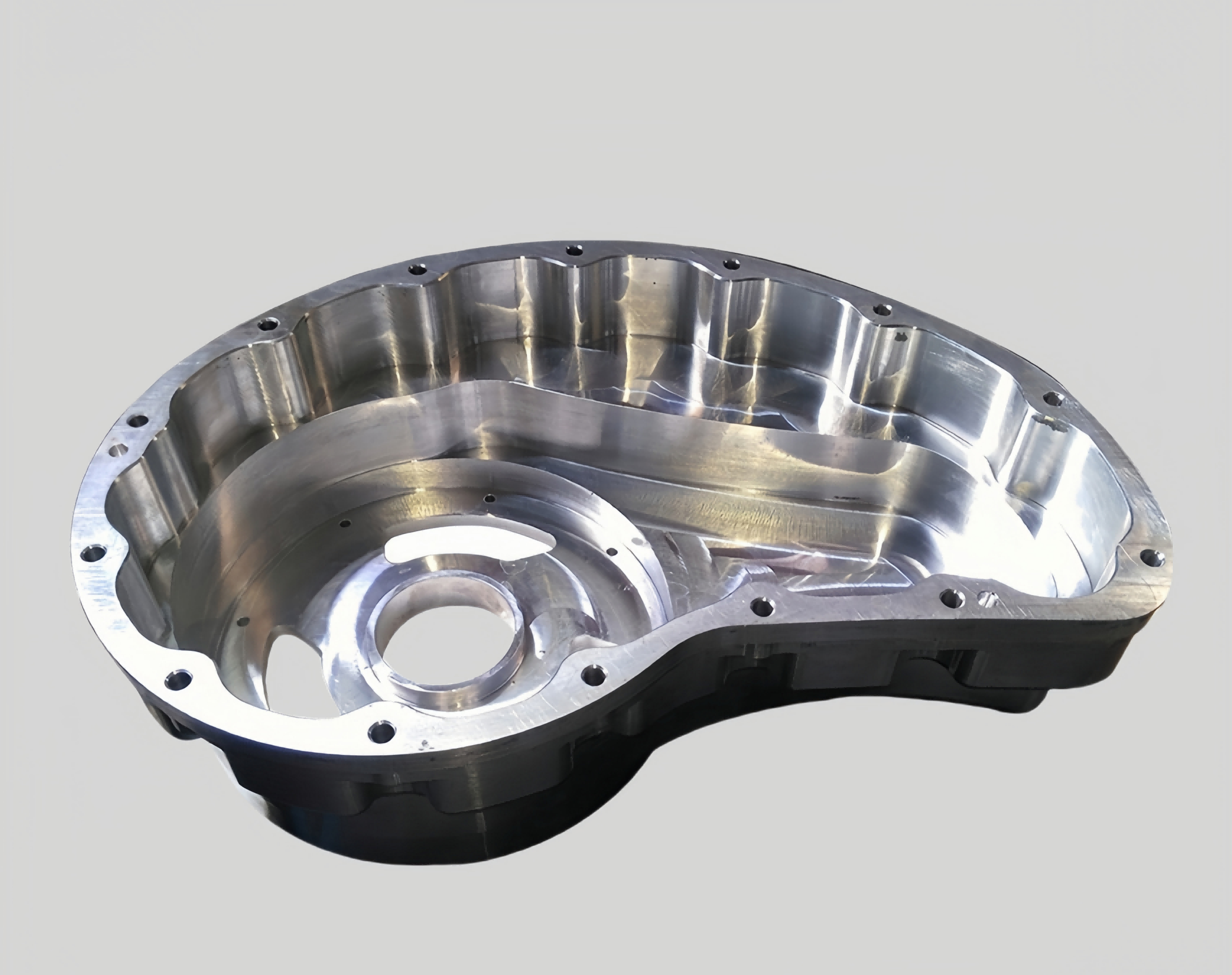
Post time: 2025-10-21 17:07:09
 Privacy settings