
Precision in Dimensional Accuracy
The Critical Role of Dimensional Measurements
Achieving precise dimensional accuracy in CNC machining is crucial for ensuring that parts fit and function as intended. Even a slight deviation from the specified dimensions can render a part useless, especially in high-precision industries such as aerospace and medical devices. Wholesale suppliers and manufacturers need to consistently produce parts that meet stringent specifications. This is where precise measurement instruments like micrometers, calipers, and coordinate measuring machines (CMMs) come into play. These tools are used extensively in factory settings to guarantee each component is measured against exacting standards.
Calibrating Equipment for Consistency
Regular calibration of measurement equipment is necessary to maintain accuracy. Calibration ensures that these devices provide correct readings, minimizing the risk of errors. A manufacturing facility must prioritize calibration schedules to ensure that both the measuring instruments and the CNC machines are functioning optimally. This attention to detail is vital for maintaining product quality, reducing defects, and meeting supplier requirements.
Role of Surface Finish in Product Performance
Understanding Surface Finish Parameters
Surface finish plays a significant role in the performance and longevity of CNC machined parts. Surface texture, characterized by surface roughness, waviness, and lay, affects everything from aesthetic appeal to functional performance. Factory settings require a controlled environment to ensure the desired surface finish is achieved consistently. The use of high-quality cutting tools and optimal machining parameters is essential in obtaining the desired surface characteristics in large-scale productions.
Impact on Product Functionality
A poor surface finish can lead to increased friction, faster wear, and even failure of parts in critical applications. Manufacturers and suppliers need to ensure that the surface finish meets specific industry standards. This is particularly important in automotive and aerospace industries where performance and reliability are non-negotiable. As such, comprehensive inspection protocols must be in place to assess surface quality routinely.
Material Properties in CNC Machining Quality
Influence of Material Hardness and Strength
Material hardness and strength significantly influence the quality of CNC machined parts. Hardness affects the resistance of a material to deformation and wear, while strength determines how much stress a material can withstand before failure. The selection of materials must be aligned with the intended application, taking into consideration these properties to optimize machining parameters. Wholesale providers prioritize selecting materials that balance cost-efficiency and quality.
Adapting Machining Techniques to Material Properties
- Matching cutting tools to material hardness to minimize wear
- Adjusting feed rates and machining speeds based on material strength
- Utilizing advanced machining techniques to maintain precision and quality
Regular Machine Calibration and Maintenance
Ensuring Equipment Reliability
Consistent machine maintenance is integral to sustaining high-quality production in CNC machining. Regular maintenance schedules help in identifying wear and tear, ensuring that machines operate at peak efficiency. This proactive approach minimizes downtime and extends the lifespan of CNC machines. Factories that implement thorough maintenance protocols benefit from reduced operational costs and improved product quality assurance.
Calibration of CNC Machines for Precision
Calibration of CNC machines ensures that parts are machined to the precise dimensions required. Factories conducting regular calibration can keep defects to a minimum, thus enhancing the reliability of their products. This process is essential for bulk manufacturing where even minor errors can lead to significant financial implications.
Non-Destructive Testing Techniques
Techniques for Ensuring Product Integrity
Non-destructive testing (NDT) methods are used to inspect CNC machined parts without causing damage. Techniques such as ultrasonic testing and magnetic particle inspection help detect internal flaws or irregularities within a material. These methods ensure the structural integrity of components, which is crucial for factory and wholesale suppliers focusing on long-term reliability and safety.
Advantages of Non-Destructive Testing
NDT offers numerous benefits, including reduced downtime and cost-efficiency. As these tests do not compromise the parts, wholesale suppliers can maintain a consistent supply of quality-assured products. Adopting NDT in the quality control process is essential for maintaining high standards across different manufacturing batches.
Implementing Quality Control Software
Streamlining Production with Software Solutions
Quality control software provides manufacturers with the tools to monitor, assess, and improve production processes. By integrating software solutions, factories can automate many aspects of quality control, enhancing productivity and reducing errors. The role of software in maintaining quality standards cannot be overstated, especially for suppliers dealing with high volume production.
Benefits of Quality Control Software
- Real-time monitoring and reporting of production metrics
- Automated compliance with industry standards
- Improved traceability and accountability in production processes
Training and Expertise in Quality Verification
Necessity for Skilled Workforce
The human element remains critical in quality control despite advancements in technology. Training employees to understand quality standards and inspection techniques ensures that the workforce can effectively maintain high precision standards in CNC machining. Suppliers investing in workforce training are more likely to achieve consistent quality and meet client specifications.
Building a Culture of Quality
Cultivating a culture where quality is prioritized translates to better product outcomes. Employees who are knowledgeable about quality control measures contribute to reduced error rates and improved operational efficiency. This culture is vital for factories aiming to establish themselves as reliable suppliers in competitive industries.
Sampling vs. Full Inspection Techniques
Choosing the Right Inspection Method
In high-volume production, inspecting every single part can be impractical. Sampling inspection involves checking a subset of parts, which can save time and resources. However, this method carries the risk of missing defects. Factories must strike a balance between efficiency and thoroughness in their inspection processes to ensure wholesale suppliers receive only the highest quality products.
Ensuring Consistency and Quality
While sampling can be effective, a combination of techniques ensures that quality remains consistent across batches. Implementing advanced inspection technologies alongside traditional sampling methods provides a comprehensive approach to quality control, crucial for maintaining supplier standards.
Minimizing Material Waste in CNC Machining
Efficient Use of Materials
Reducing material waste is a primary consideration for maximizing cost-efficiency in CNC machining. Using materials wisely by opting for standard sizes and reusing scraps can significantly cut down on waste. Suppliers focused on sustainability can implement practices like near-net shaping to reduce excess material usage.
Economic Impact of Waste Reduction
Minimizing waste not only conserves resources but also reduces costs, providing a competitive advantage. Factories that effectively manage material consumption can offer more attractive pricing to wholesale customers without compromising on quality.
Balancing Planned and Unplanned Downtime
Strategies for Minimizing Downtime
Downtime, whether planned or unplanned, affects production efficiency. Implementing regular maintenance schedules and monitoring machine performance can mitigate unplanned downtime, ensuring better product output. Factories that plan for maintenance can minimize disruptions and maintain a steady supply for their clients.
Cost Implications of Downtime
Unplanned downtime can lead to costly repairs and lost production time. However, factories that manage downtime effectively can maintain operational efficiency, meeting the demands of wholesale partners consistently. Predictive maintenance strategies are key to reducing downtime-related costs.
Maxtech Provide Solutions
Maxtech is committed to providing comprehensive CNC machining solutions that align with high precision standards. We utilize state-of-the-art equipment and employ stringent quality control practices to ensure that every part meets or exceeds industry specifications. Our team of skilled experts is dedicated to continuous improvement, ensuring that our clients receive products of the highest quality. Whether you are a factory seeking to enhance your production capabilities or a supplier looking to deliver superior products, Maxtech offers tailored solutions to meet your needs. Partner with us for excellence in CNC machining.
User hot search: high precision cnc machining parts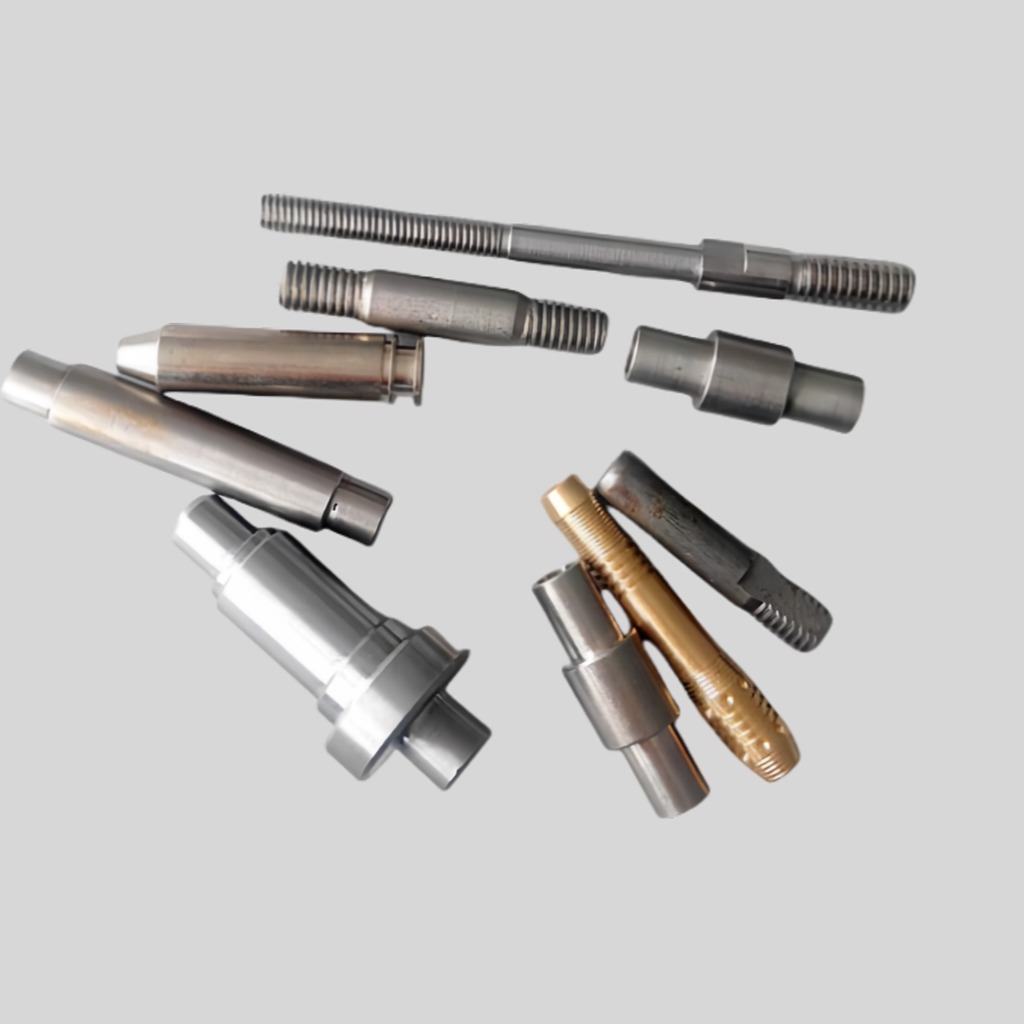
Post time: 2025-09-12 01:07:03
 Privacy settings