
Introduction to cnc precision parts Manufacturing
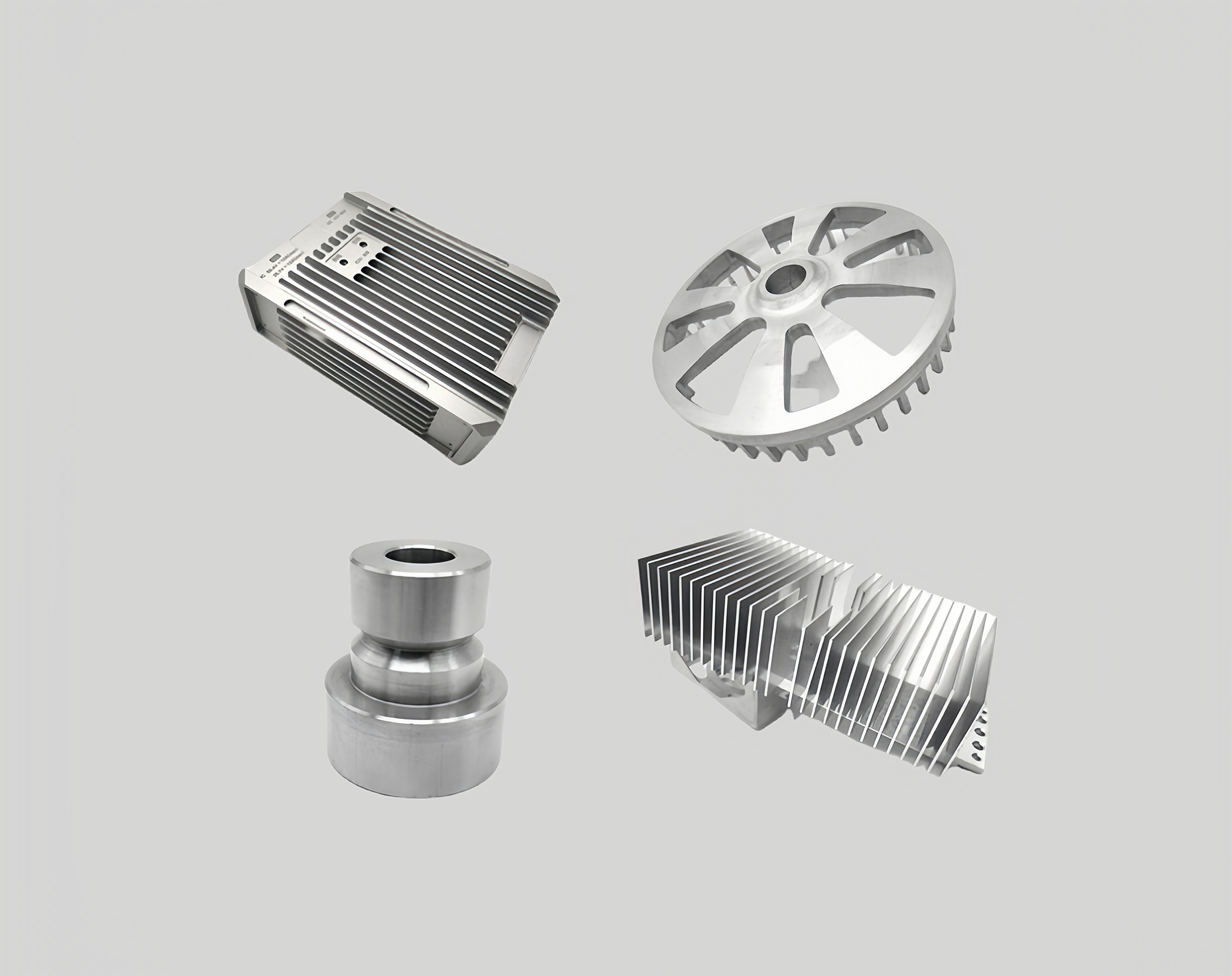
CNC (Computer Numerical Control) precision parts manufacturing is a complex process that involves the use of advanced machinery to produce highly detailed components with exacting specifications. This manufacturing method is essential in various industries, including aerospace, automotive, and electronics, where precision and repeatability are critical. The CNC process is favored for producing parts in bulk, where each piece must meet stringent quality requirements, benefiting manufacturers, suppliers, and wholesale distributors alike.
The Role of Computer-Aided Design (CAD)
Computer-Aided Design (CAD) is a crucial component in the CNC manufacturing process. CAD software allows for the creation of detailed 3D models of parts, which serve as the blueprint for manufacturing.
Importance of Accurate CAD Models
Accurate CAD models are vital as they ensure that the CNC machines can produce parts that meet the designated specifications. Anomalies in the CAD models can lead to defects, affecting the part's functionality and increasing costs.
Integration with CAM Systems
CAD designs are directly integrated into Computer-Aided Manufacturing (CAM) systems, providing a seamless transition from digital design to physical production. This integration is essential for optimizing machining processes and reducing production time.
Overview of Computer-Aided Manufacturing (CAM)
CAM systems translate CAD models into machine-readable code, guiding CNC machines on how to cut, shape, and finish components.
Generating Machine Code
CAM software generates G-code, the language CNC machines understand, which dictates the movement of the cutting tools. Precision in this step ensures the accuracy and consistency of the manufactured parts.
Simulation and Error Checking
Before the manufacturing begins, simulations are conducted to detect any potential errors in the machine code, which helps prevent costly mistakes during production.
Material Selection for CNC Machining
The selection of materials significantly influences the quality and performance of the precision parts.
Common Materials Used
Materials such as aluminum, steel, brass, plastics, and composites are frequently used in CNC machining. Each material has unique properties that affect the machining process and the final product's performance.
Considerations for Material Selection
Factors such as material hardness, thermal stability, and machinability are considered to ensure the selected material can be efficiently processed while meeting the part's functional requirements.
CNC Machining Processes and Techniques
Various CNC machining processes are employed to manufacture precision parts, depending on the part's complexity and requirements.
Milling and Turning
Milling involves rotating cutting tools to shape the part, while turning utilizes a lathe to rotate the workpiece against a stationary cutting tool. Both processes are fundamental in CNC machining for creating complex geometries.
Drilling and Tapping
These processes are used to create holes and threads, essential for assembly and fastening in many applications. Precision in drilling and tapping ensures compatibility and function in end-use.
Tolerances and Quality Control in CNC Machining
Maintaining tight tolerances is critical in CNC precision parts manufacturing to ensure parts fit and function correctly.
Understanding Tolerances
Tolerances specify the permissible variation in a part's dimensions and are often within micrometers, ensuring interchangeability and reliability in each component produced.
Implementation of Quality Control Measures
Comprehensive quality control measures, including regular inspections and in-process monitoring, are implemented to maintain these tolerances and ensure each part meets the required standards.
Post-Processing and Finishing Techniques
After machining, parts often undergo additional processes to improve their properties and aesthetics.
Surface Finishing
Techniques such as polishing, anodizing, or plating are used to enhance the surface finish and protect against corrosion, improving the part's longevity and visual appeal.
Deburring and Cleaning
Deburring removes sharp edges and burrs left by machining, while cleaning ensures parts are free from contaminants, ready for assembly or further processing.
Challenges in CNC Precision Parts Manufacturing
Manufacturing precision parts using CNC technology presents several challenges that manufacturers and suppliers must address.
High Initial Setup Costs
The cost of setting up CNC machines and software can be substantial, necessitating large production runs to achieve cost-effectiveness for wholesale suppliers.
Skilled Workforce Requirements
The operation of CNC machines requires skilled operators trained in both programming and machine operation, posing a challenge in workforce availability and training.
Advances in CNC Technology and Automation
Technological advancements are continually improving the capabilities and efficiency of CNC machining.
Integration of AI and Machine Learning
AI and machine learning are being integrated into CNC systems to enhance predictive maintenance, reduce downtime, and optimize production processes.
Increased Automation and Robotics
The use of robotics in CNC machining enhances production speed and accuracy, making the process more efficient and reducing the labor required for repetitive tasks.
Future Trends in CNC Precision Parts Manufacturing
Emerging trends in CNC manufacturing will shape the industry's future and impact manufacturers and suppliers.
Adoption of IoT and Industry 4.0
The integration of IoT devices and Industry 4.0 principles is expected to revolutionize CNC operations by enabling real-time data analytics and improved process control.
Sustainability and Eco-Friendly Practices
There is a growing emphasis on sustainable manufacturing practices, including the use of recyclable materials and energy-efficient processes to reduce the environmental impact of CNC operations.
Maxtech Provide Solutions
Maxtech offers innovative solutions for CNC precision parts manufacturing, providing tailored services to meet the needs of manufacturers, suppliers, and wholesale clients. Our advanced CNC technology, skilled workforce, and commitment to quality ensure that every part is manufactured to the highest standards. By integrating cutting-edge automation and leveraging industry trends, Maxtech is positioned to meet the evolving demands of CNC manufacturing, delivering parts that are both cost-effective and high-quality. Trust Maxtech for reliable and efficient CNC precision parts production.
Post time: 2025-10-30 18:57:06
 Privacy settings