
cnc machining parts
Maxtech stands at the forefront of precision machining, specializing in the production of high-quality cnc machined parts for a diverse range of industries. As a reputable cnc machining parts supplier, we take pride in our facility located in Hangzhou’s Xiaoshan District. Our private enterprise excels in delivering customized machining solutions based on client drafts and samples, ensuring each product meets stringent quality standards.
Our extensive service offerings include sheet metal stamping parts, mechanical components, CNC parts, and precision machining services, tailored to meet the unique requirements of sectors such as electronics, healthcare, communications, and automation machines. We utilize a broad spectrum of materials, including steel, stainless steel, aluminum, iron, copper, and brass, with various surface treatments such as zinc plating, anodizing, and powder coating to enhance durability and performance.
Equipped with over 30 sets of advanced mechanical equipment, including CNC lathes and machining centers, our facility ensures precise and efficient production. Our expert engineering team, boasting over two decades of experience, provides invaluable support in project analysis and production processes, guaranteeing optimal solutions for our clients.
Maxtech is actively expanding its footprint in global markets, with a significant presence in Asia, Europe, and Africa. As your trusted cnc machining parts supplier, we are committed to delivering unparalleled quality and service, meeting the exacting demands of the international market.
Our extensive service offerings include sheet metal stamping parts, mechanical components, CNC parts, and precision machining services, tailored to meet the unique requirements of sectors such as electronics, healthcare, communications, and automation machines. We utilize a broad spectrum of materials, including steel, stainless steel, aluminum, iron, copper, and brass, with various surface treatments such as zinc plating, anodizing, and powder coating to enhance durability and performance.
Equipped with over 30 sets of advanced mechanical equipment, including CNC lathes and machining centers, our facility ensures precise and efficient production. Our expert engineering team, boasting over two decades of experience, provides invaluable support in project analysis and production processes, guaranteeing optimal solutions for our clients.
Maxtech is actively expanding its footprint in global markets, with a significant presence in Asia, Europe, and Africa. As your trusted cnc machining parts supplier, we are committed to delivering unparalleled quality and service, meeting the exacting demands of the international market.
-
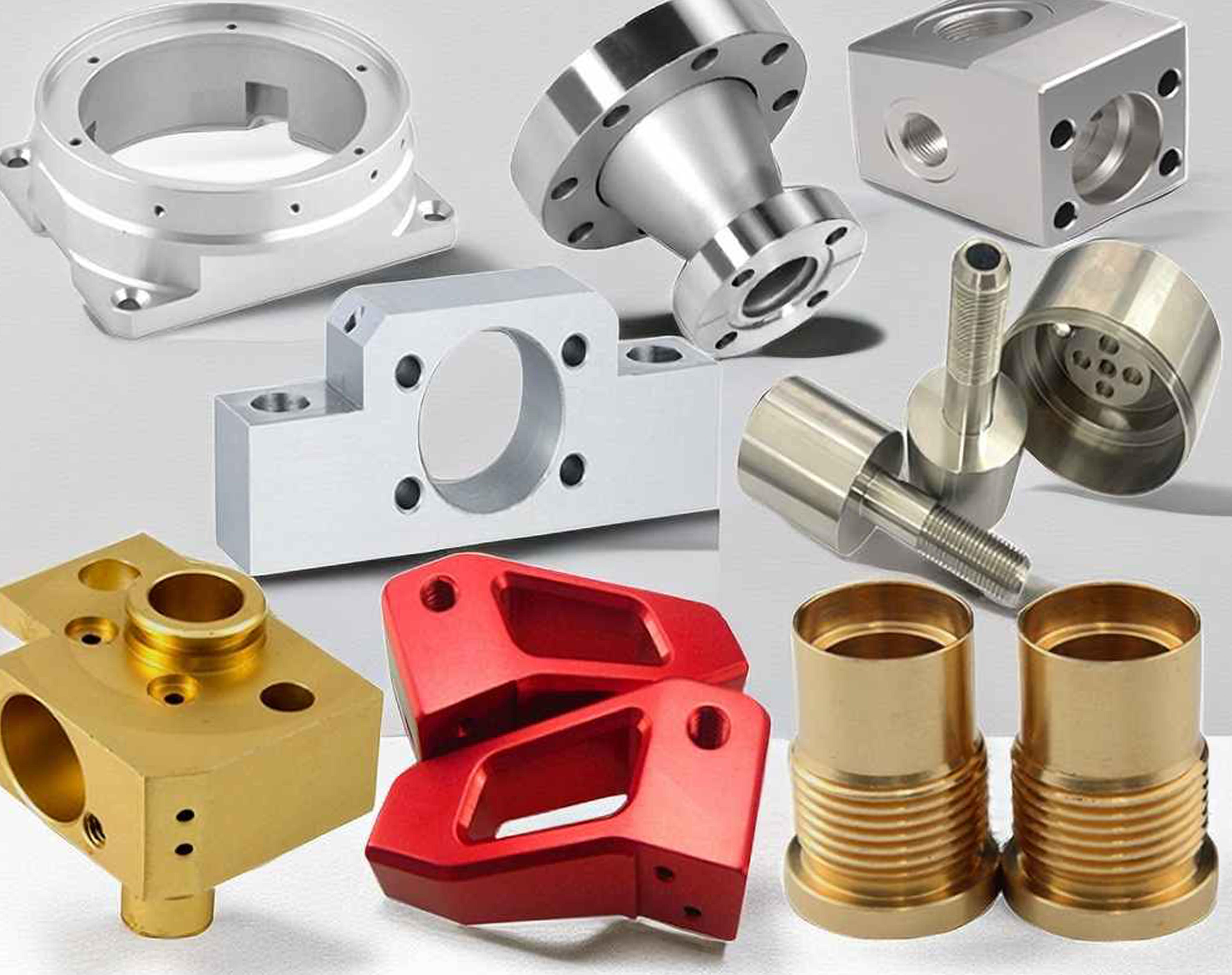
CNC machining custom sheet metal parts manufacturing service in china
-
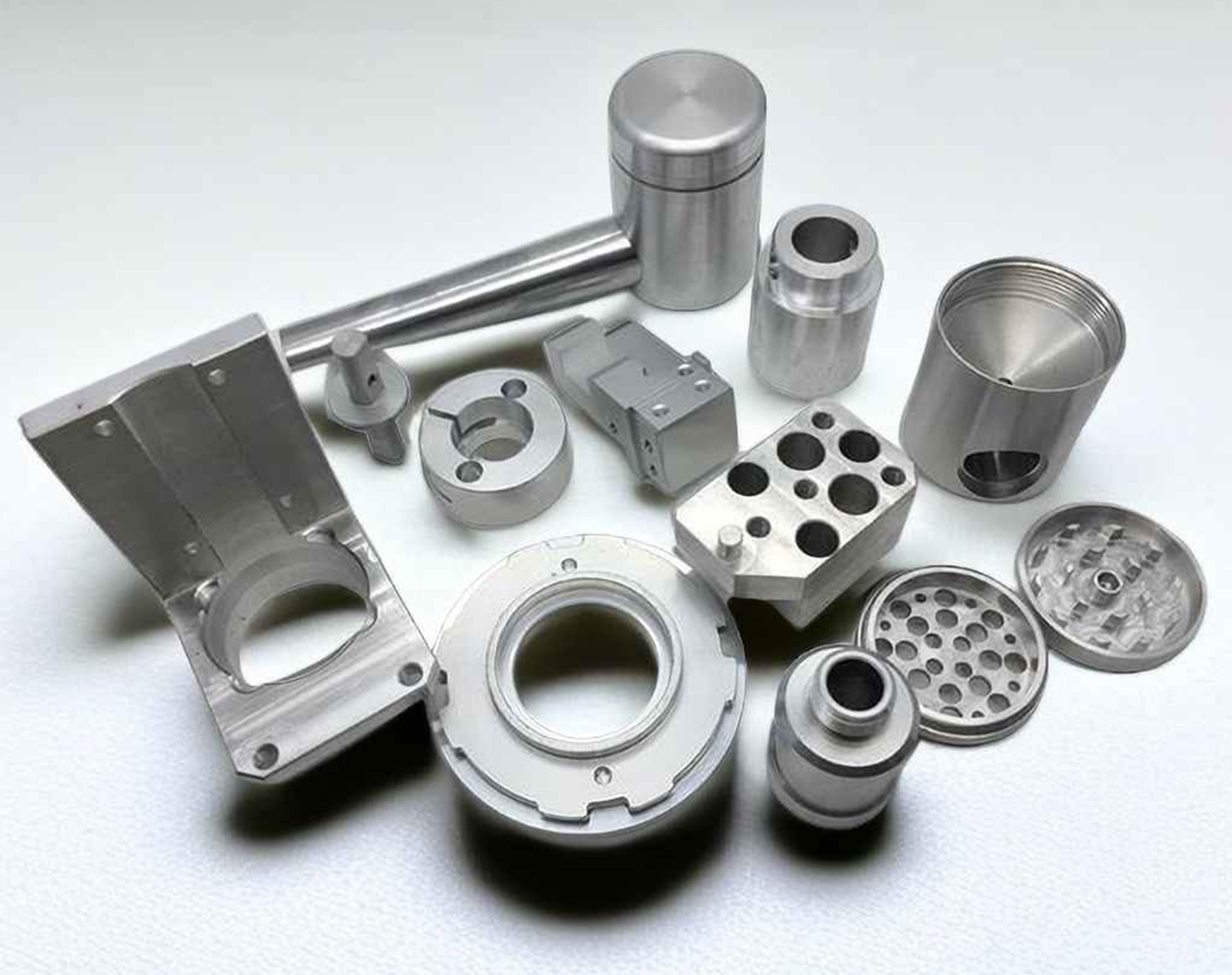
Custom CNC aluminum precision components/extrusions/parts machining supplier
-
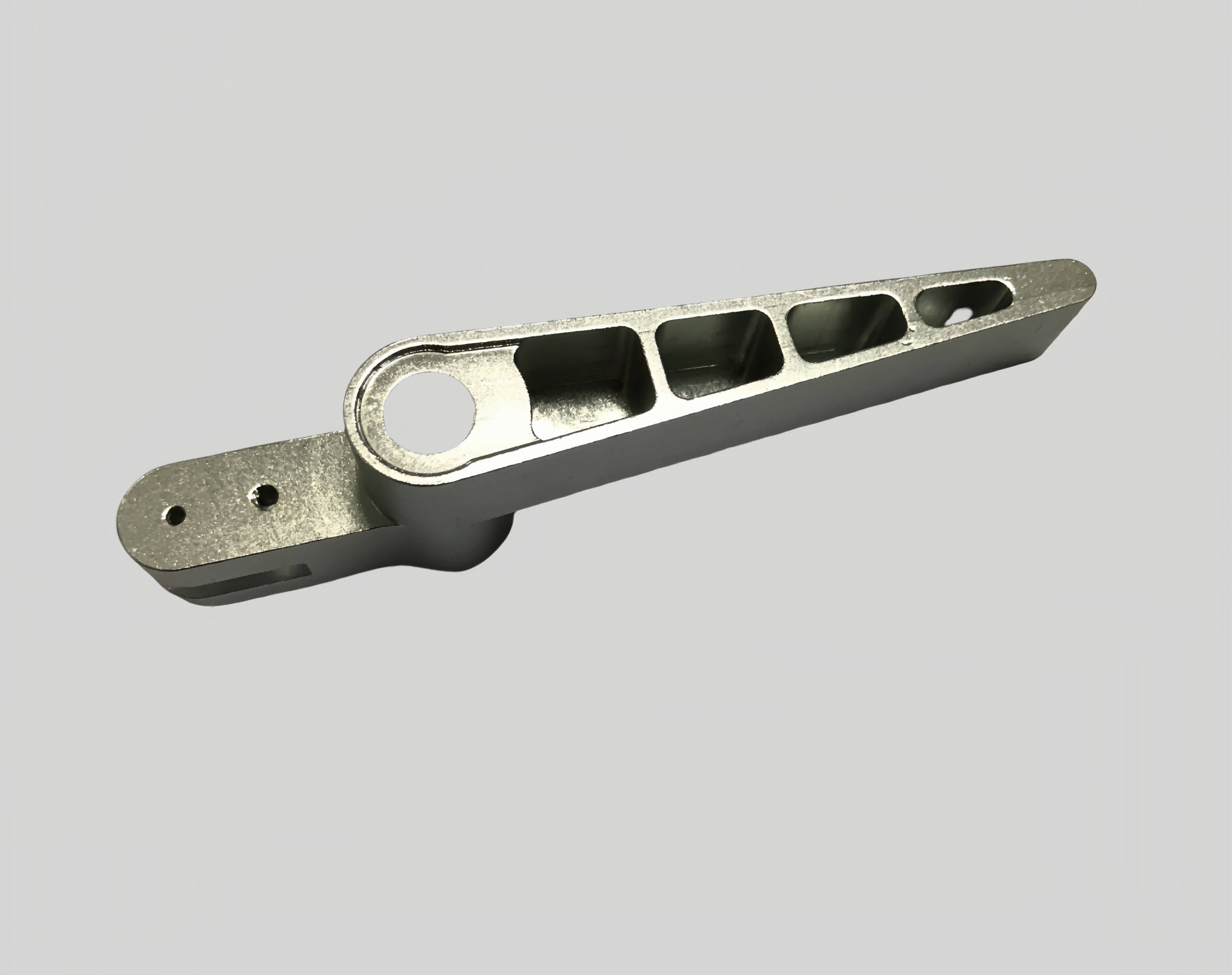
Precision CNC turning machining parts for diesel engine vertical roller
-
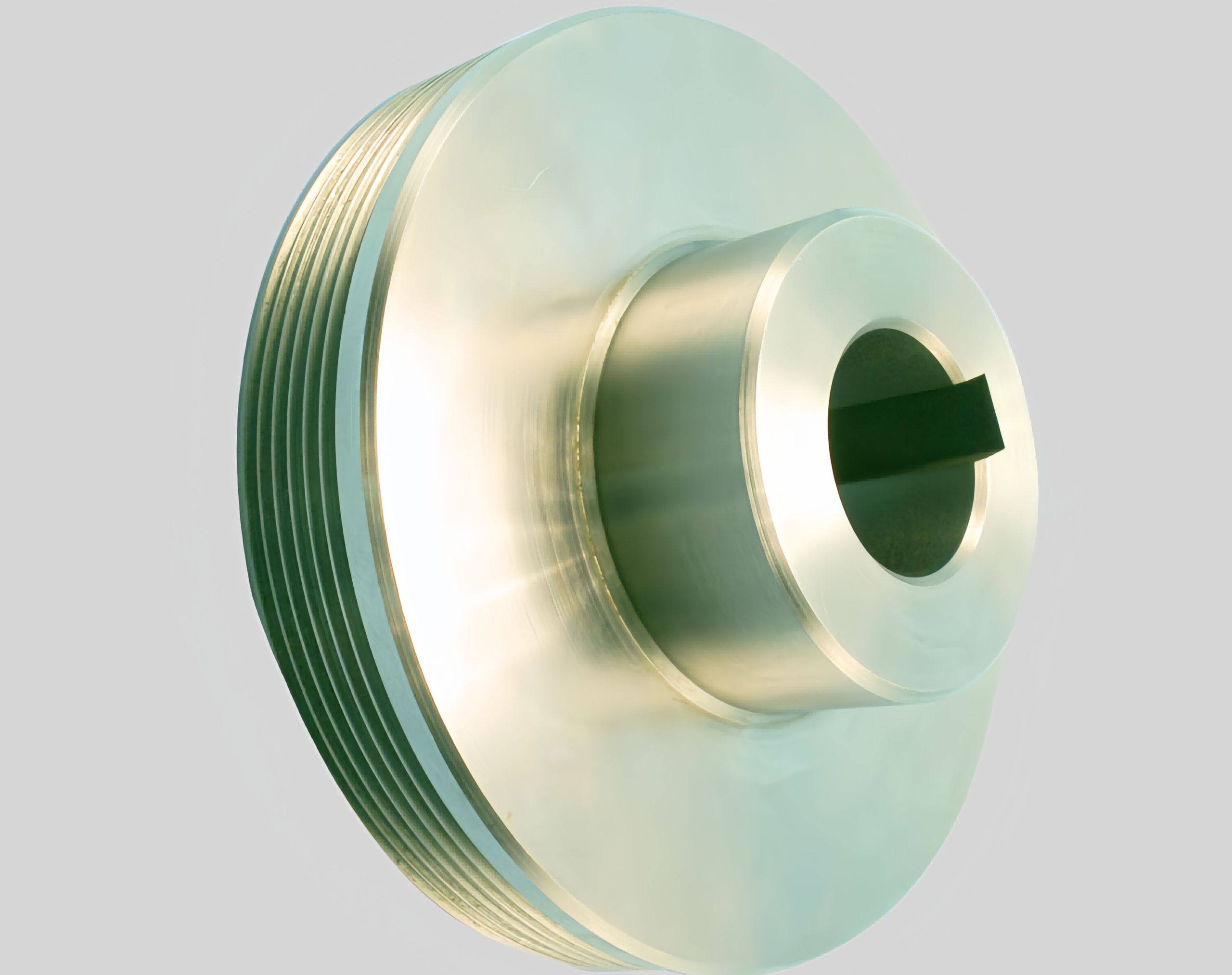
Precision cnc motor spear machined aluminum parts
-
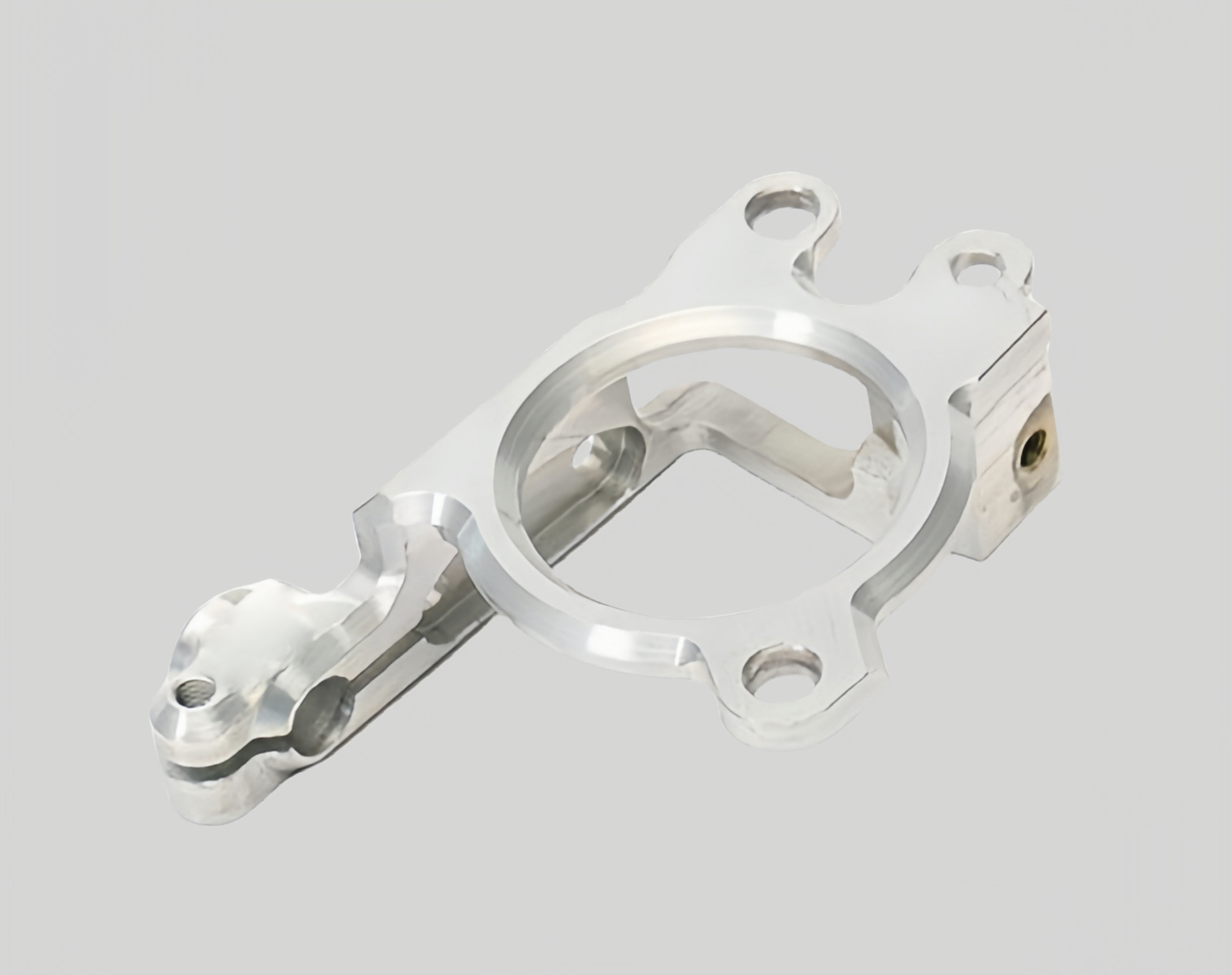
Precision CNC machined motor engine spare parts
-
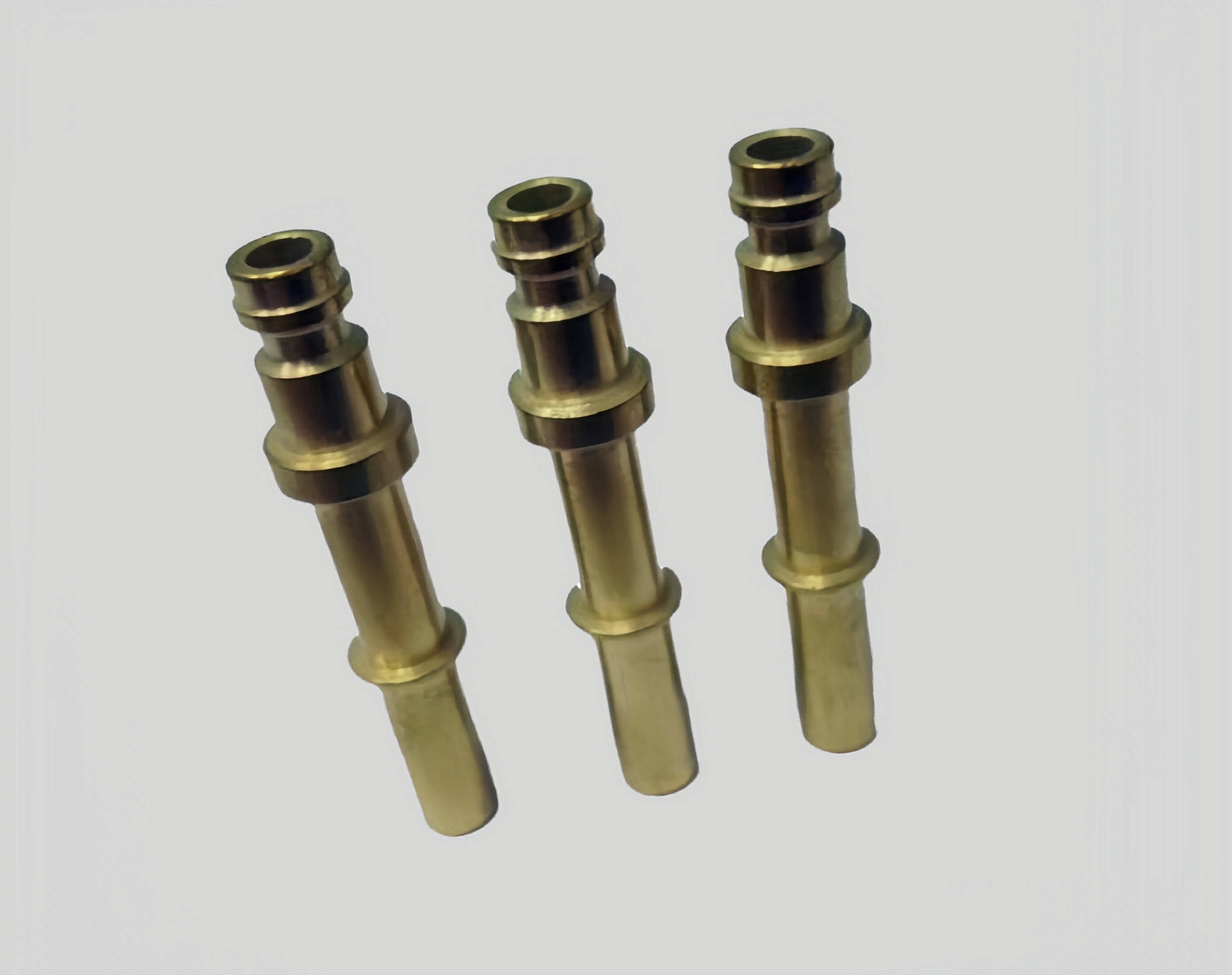
Precision cnc machined aluminum parts for toy car
-
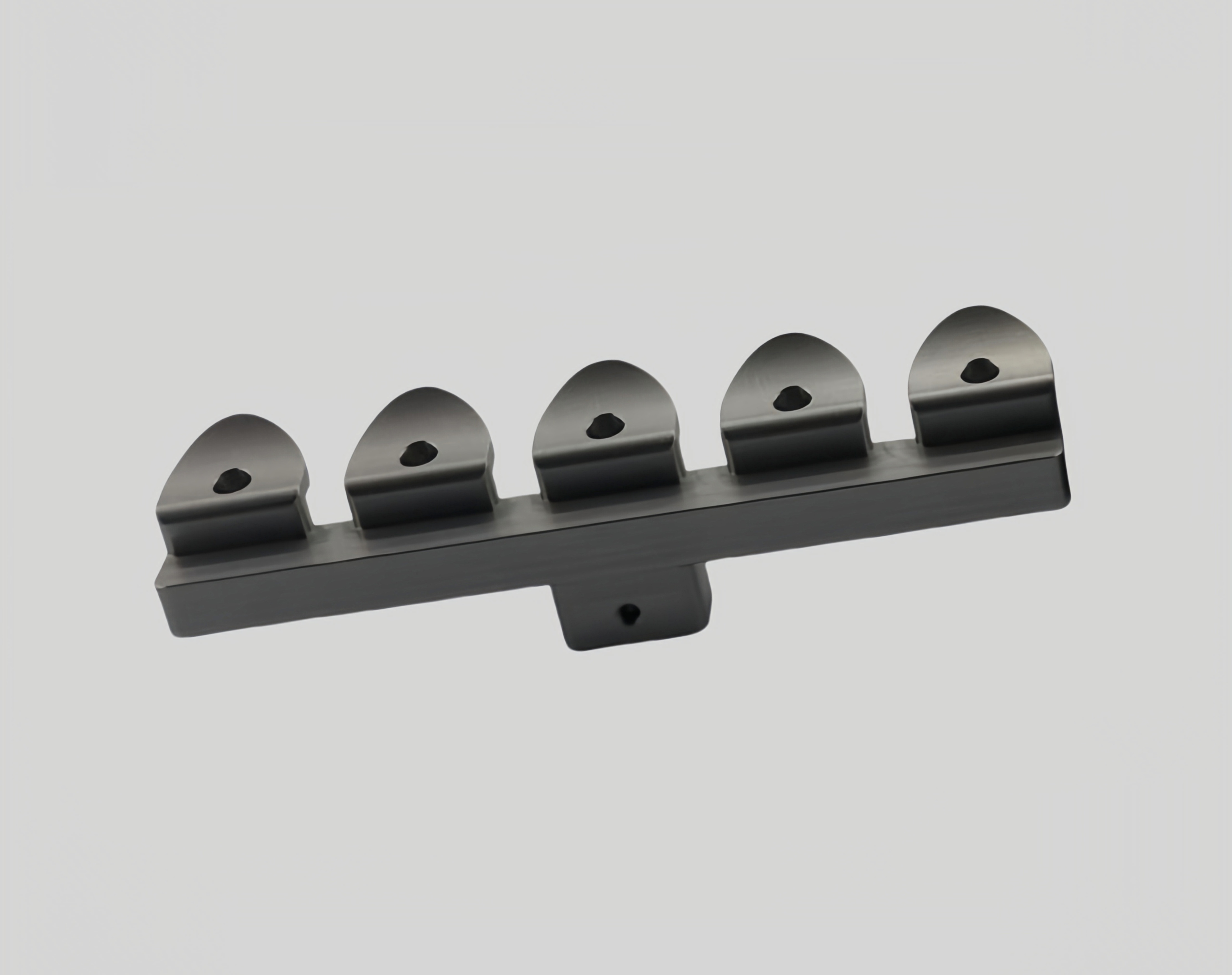
Precision automation equipment cnc machining parts
-
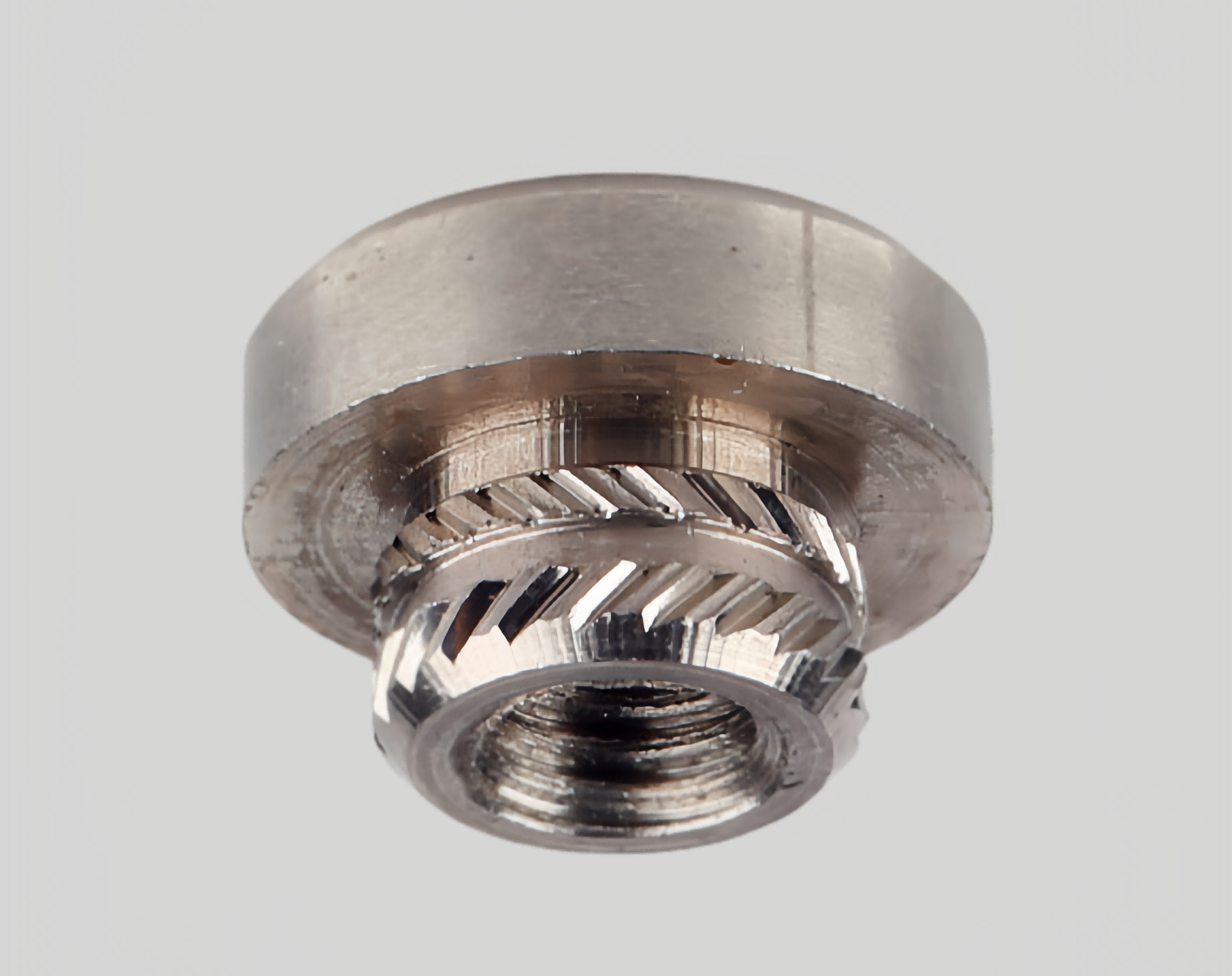
OEM CNC lathe machined robot thread precision metal parts
-
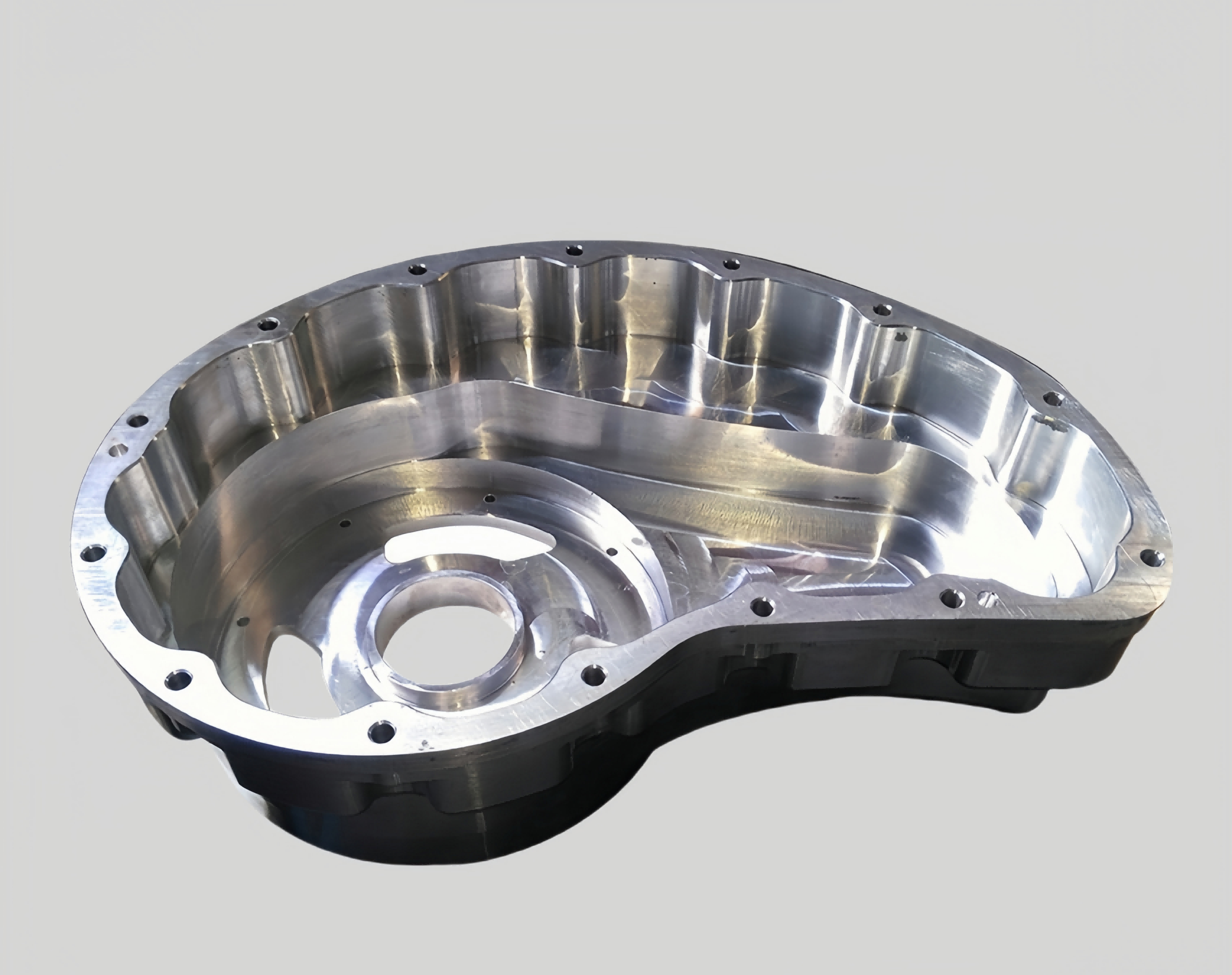
High precision cnc machined modified car parts
-
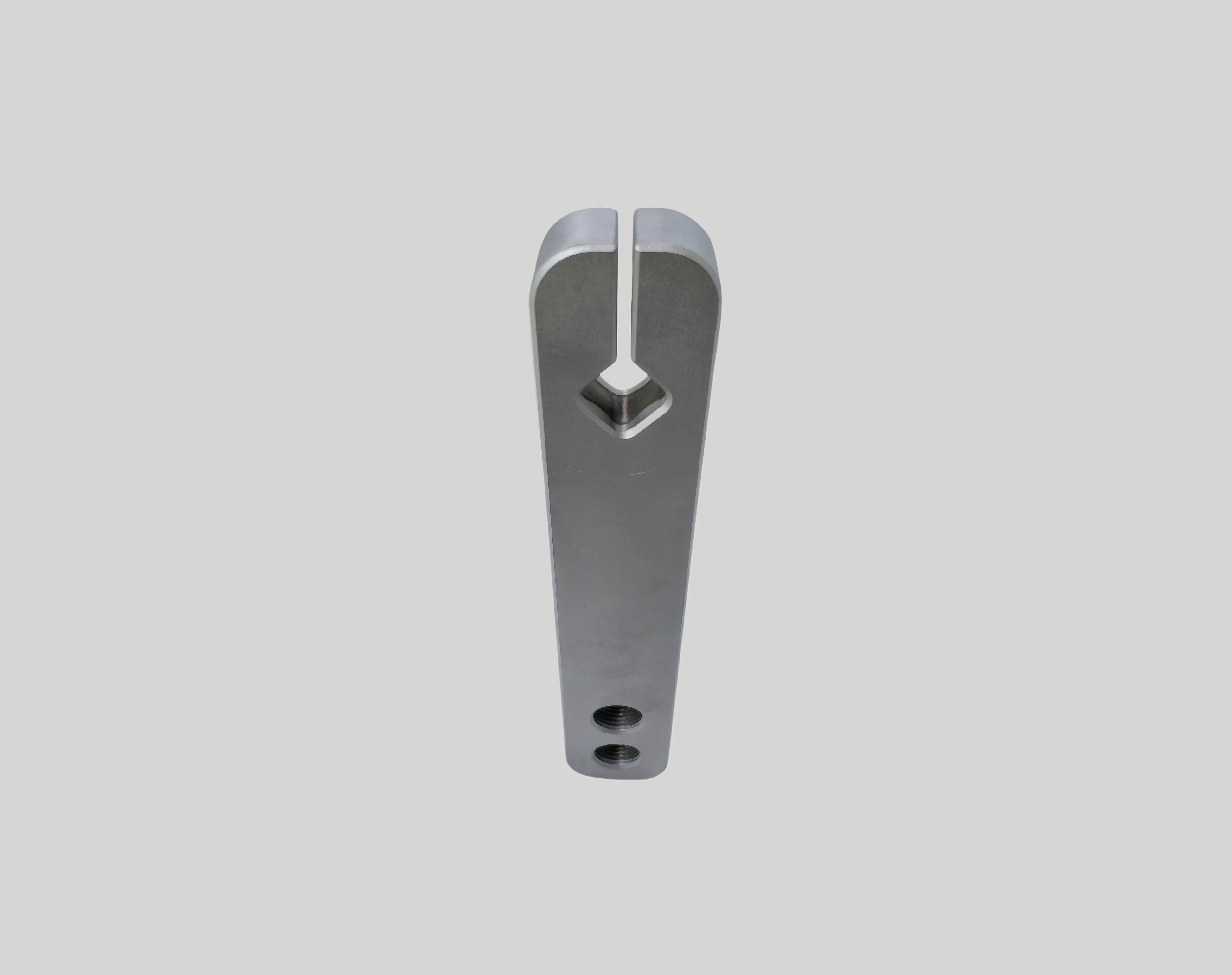
Customized machined steel precision CNC turning parts
-
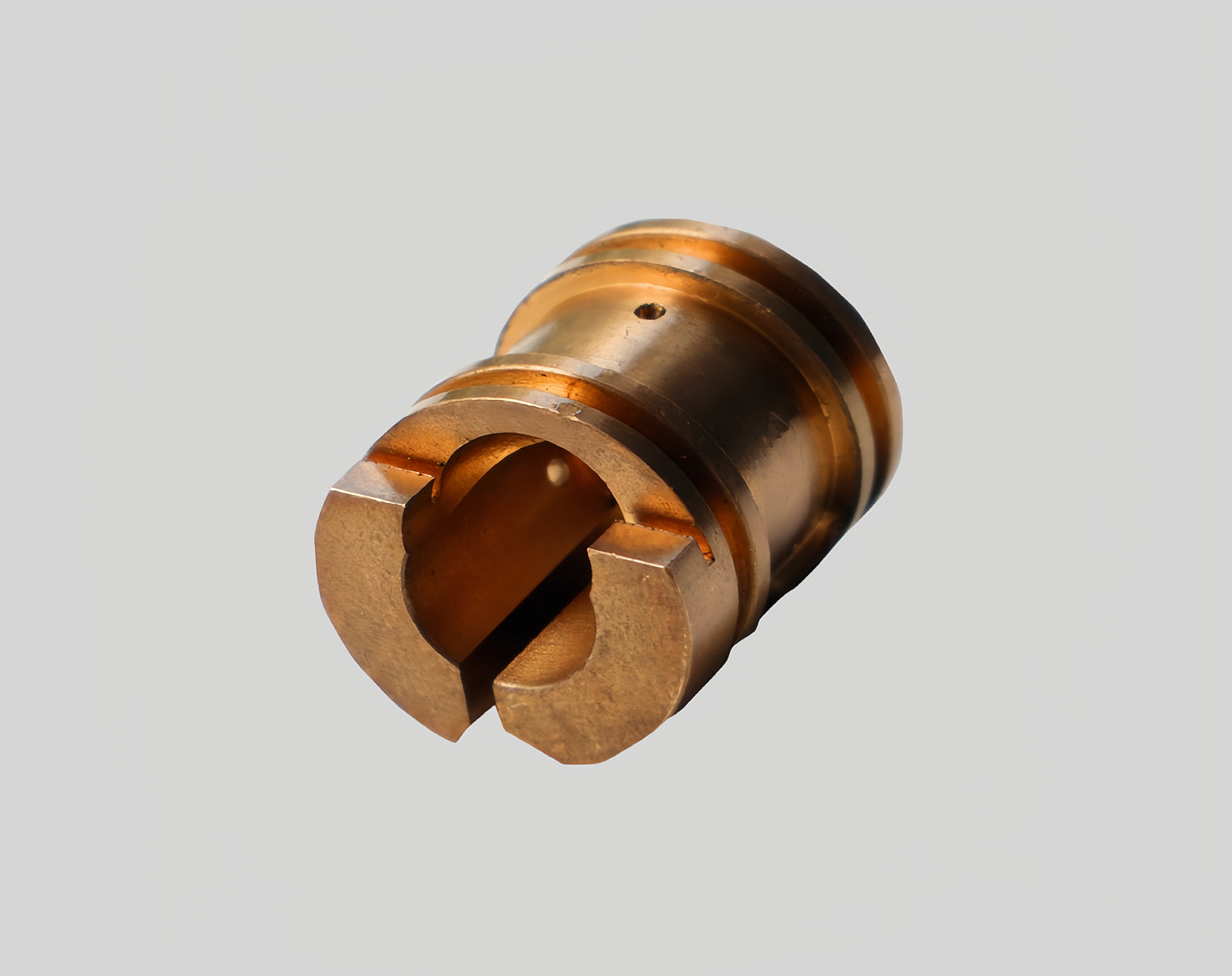
Precision mechanical Cnc brass electric turning parts
-
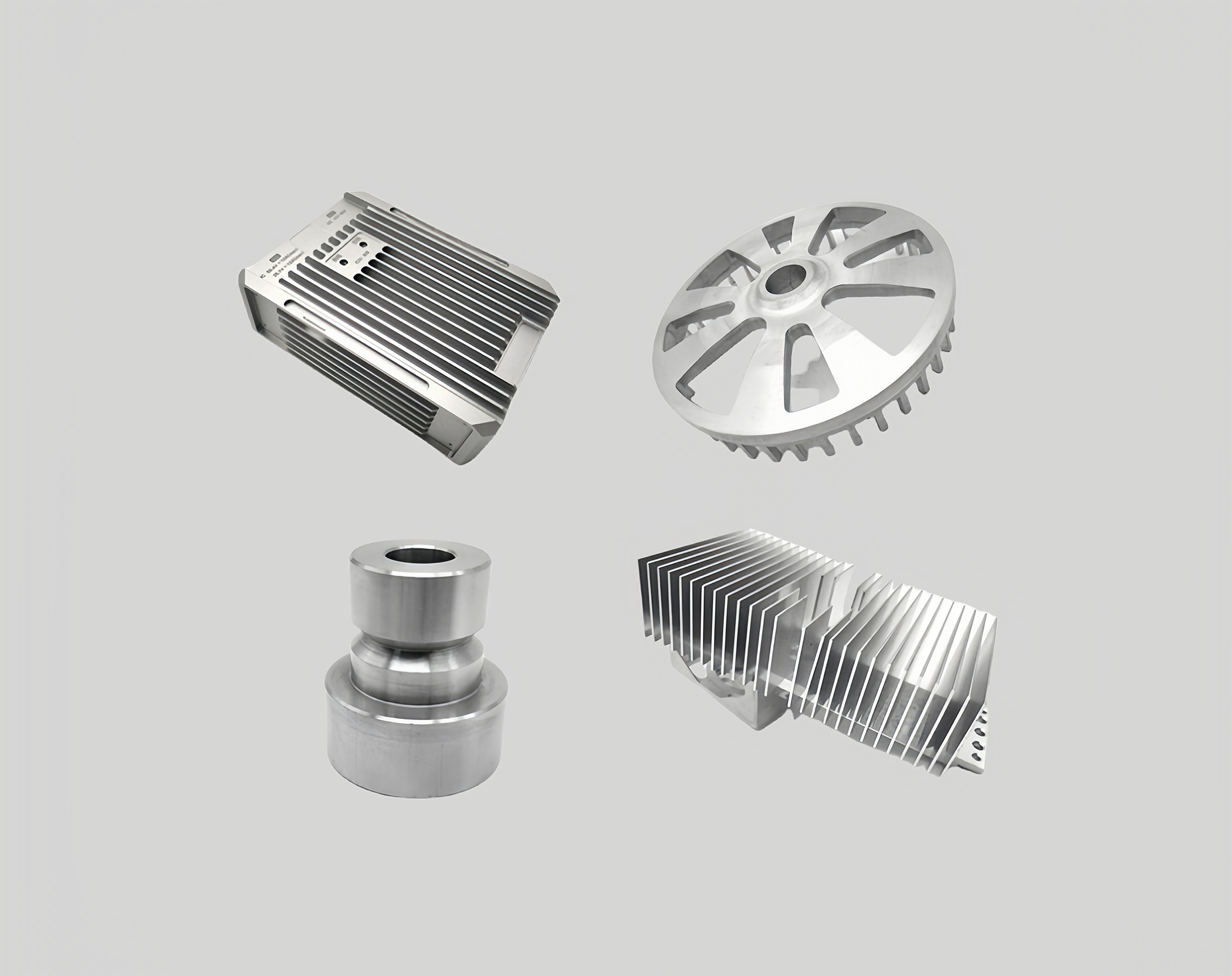
Precision machined small mechanical spare auto parts
The Frequent FAQs of CNC MACHINE PARTS
What are CNC machining parts?▾
CNC machining parts are intricate components produced using Computer Numerical Control (CNC) machinery, a technology that revolutionizes the manufacturing industry by enhancing precision, efficiency, and repeatability in the production process. These parts are fundamental to a myriad of sectors, ranging from aerospace and automotive to medical and consumer electronics, each demanding meticulous precision and complex geometries that CNC machining reliably delivers.
CNC machining involves automated control of machine tools via a computer system, replacing manual intervention with precise programming. The process begins with creating a digital design using Computer-Aided Design (CAD) software. This design is then converted into a program readable by CNC machinery through Computer-Aided Manufacturing (CAM) software. Once the program is loaded into the CNC machine, it meticulously controls the movement, speed, and position of the tools involved, ensuring every cut, bore, and finish meets exact specifications.
The technology enables the production of precision machining parts by manipulating various materials such as metals, plastics, and composites. The versatility of CNC machines—ranging from milling machines, lathes, and grinders to routers—allows for the creation of components with complex shapes and exceptional surface finishes that would be challenging or impossible to manufacture using traditional methods.
There are several types of CNC machining parts, each tailored to specific applications and requirements. One common category is milling parts, produced by CNC milling machines that utilize rotary cutters to remove material from a workpiece. These parts often feature intricate geometries, pockets, and complex contours essential in industries like aerospace and robotics.
Turning parts are another significant category, manufactured using CNC lathes that rotate the workpiece while a stationary cutting tool shapes it. These parts typically include shafts, bushings, and other cylindrical components, critical in automotive and industrial machinery applications.
Additionally, precision machining parts can be produced through CNC grinding, which involves the use of abrasive wheels to achieve high dimensional accuracy and smooth surface finishes. This process is essential for producing parts requiring tight tolerances and superior finish quality, such as medical implants and high-precision bearings.
The primary advantage of CNC machining parts lies in their precision and repeatability. The automated nature of CNC machines ensures that every part produced adheres to the exact specifications outlined in the digital design, minimizing human error and variability. This consistency is crucial in applications where even the slightest deviation could result in component failure or reduced performance.
CNC machining also offers significant time and cost savings. The ability to rapidly prototype and produce large volumes of parts with minimal setup changes reduces lead times and overall production costs. Furthermore, CNC machines can operate continuously, maximizing productivity and efficiency, which is particularly beneficial for high-volume production runs.
Another notable advantage is the versatility of CNC machining. The technology can accommodate a wide range of materials and complex designs, allowing manufacturers to produce parts for diverse applications. This flexibility is essential in industries that demand customized solutions and parts with specific properties, such as heat resistance, strength, or biocompatibility.
The applications of CNC machining parts are virtually limitless, given the technology's ability to cater to various industries and requirements. In the aerospace sector, CNC parts are essential for producing components that withstand extreme conditions and rigorous tolerances, such as turbine blades and structural elements.
In the medical industry, precision machining parts are critical for manufacturing surgical instruments, implants, and diagnostic equipment. The high level of accuracy and customization possible with CNC machining ensures that these parts meet stringent regulatory standards and perform reliably in sensitive applications.
The automotive industry also benefits significantly from CNC machining parts, which include engine components, transmission parts, and intricate body structures. The technology's precision and efficiency allow manufacturers to produce high-quality parts that enhance vehicle performance, safety, and reliability.
In conclusion, CNC machining parts represent a pinnacle of modern manufacturing, characterized by their precision, efficiency, and adaptability. By leveraging advanced CNC technology, industries across the spectrum can produce high-quality components that meet their exacting standards and contribute to the advancement of technology and innovation.
● The CNC Machining Process
CNC machining involves automated control of machine tools via a computer system, replacing manual intervention with precise programming. The process begins with creating a digital design using Computer-Aided Design (CAD) software. This design is then converted into a program readable by CNC machinery through Computer-Aided Manufacturing (CAM) software. Once the program is loaded into the CNC machine, it meticulously controls the movement, speed, and position of the tools involved, ensuring every cut, bore, and finish meets exact specifications.
The technology enables the production of precision machining parts by manipulating various materials such as metals, plastics, and composites. The versatility of CNC machines—ranging from milling machines, lathes, and grinders to routers—allows for the creation of components with complex shapes and exceptional surface finishes that would be challenging or impossible to manufacture using traditional methods.
● Types of CNC Machining Parts
There are several types of CNC machining parts, each tailored to specific applications and requirements. One common category is milling parts, produced by CNC milling machines that utilize rotary cutters to remove material from a workpiece. These parts often feature intricate geometries, pockets, and complex contours essential in industries like aerospace and robotics.
Turning parts are another significant category, manufactured using CNC lathes that rotate the workpiece while a stationary cutting tool shapes it. These parts typically include shafts, bushings, and other cylindrical components, critical in automotive and industrial machinery applications.
Additionally, precision machining parts can be produced through CNC grinding, which involves the use of abrasive wheels to achieve high dimensional accuracy and smooth surface finishes. This process is essential for producing parts requiring tight tolerances and superior finish quality, such as medical implants and high-precision bearings.
● Advantages of CNC Machining Parts
The primary advantage of CNC machining parts lies in their precision and repeatability. The automated nature of CNC machines ensures that every part produced adheres to the exact specifications outlined in the digital design, minimizing human error and variability. This consistency is crucial in applications where even the slightest deviation could result in component failure or reduced performance.
CNC machining also offers significant time and cost savings. The ability to rapidly prototype and produce large volumes of parts with minimal setup changes reduces lead times and overall production costs. Furthermore, CNC machines can operate continuously, maximizing productivity and efficiency, which is particularly beneficial for high-volume production runs.
Another notable advantage is the versatility of CNC machining. The technology can accommodate a wide range of materials and complex designs, allowing manufacturers to produce parts for diverse applications. This flexibility is essential in industries that demand customized solutions and parts with specific properties, such as heat resistance, strength, or biocompatibility.
● Applications of CNC Machining Parts
The applications of CNC machining parts are virtually limitless, given the technology's ability to cater to various industries and requirements. In the aerospace sector, CNC parts are essential for producing components that withstand extreme conditions and rigorous tolerances, such as turbine blades and structural elements.
In the medical industry, precision machining parts are critical for manufacturing surgical instruments, implants, and diagnostic equipment. The high level of accuracy and customization possible with CNC machining ensures that these parts meet stringent regulatory standards and perform reliably in sensitive applications.
The automotive industry also benefits significantly from CNC machining parts, which include engine components, transmission parts, and intricate body structures. The technology's precision and efficiency allow manufacturers to produce high-quality parts that enhance vehicle performance, safety, and reliability.
In conclusion, CNC machining parts represent a pinnacle of modern manufacturing, characterized by their precision, efficiency, and adaptability. By leveraging advanced CNC technology, industries across the spectrum can produce high-quality components that meet their exacting standards and contribute to the advancement of technology and innovation.
What does CNC mean in machinery?▾
CNC, or Computerized Numerical Control, represents a significant evolution in the field of machinery, fundamentally altering how manufacturing processes are conducted. At its core, CNC means that machine tools are automatically controlled by a computer rather than being directly operated by humans. This transformation from manual control to computer automation has ushered in a new era of precision, efficiency, and versatility in machining operations.
The concept of CNC machinery began to take shape in the 1940s and 1950s with the advent of NC (Numerical Control) machines, which used paper tape or punched cards to direct machine movements. It was not until the 1960s, with the integration of computers, that the term CNC became widely recognized. The development of G-code, the programming language for CNC machines, enabled the precise control of machine tool movements, laying the groundwork for the sophisticated machinery we see today.
CNC technology encompasses a wide array of machining processes, primarily focused on the production of chips through subtractive methods. The principal processes include:
In milling, a rotating spindle removes material from the workpiece to create the desired shape. This process is highly versatile and can be performed on various materials, including metals, composites, and plastics.
involves rotating the workpiece while a fixed spindle removes material. This method is particularly effective for creating cylindrical parts and is commonly used in the manufacturing of components like shafts and fasteners.
is a straightforward process where a hole is drilled into the workpiece. This operation is essential in creating parts that require precise holes for assembly or further machining.
employs a rotating abrasive wheel to remove light amounts of material. This process is crucial for achieving fine finishes and high-precision tolerances.
uses a blade to cut material into parts. It is often employed in the initial stages of machining to divide larger workpieces into manageable sizes for further processing.
In addition to the core subtractive processes, CNC machinery is also used in various finishing operations. For instance:
combines elements of grinding and sawing, removing light amounts of material to smooth edges and deburr parts.
These processes use abrasive techniques to create smooth or shiny surfaces, enhancing the aesthetic and functional qualities of the machined parts.
The diversity of CNC machines is vast, catering to different machining needs. Commonly used machines include:
3-, 4-, and 5-Axis
Machines
These machines offer varying degrees of complexity and mobility, allowing for the creation of intricate parts with precise dimensions.
Machines
machines are designed specifically for rotating the workpiece, accommodating a wide range of cylindrical parts.
Combining milling and turning capabilities, multitasking machines like turn-mills and mill-turns offer flexibility and efficiency in machining complex parts.
The automation of CNC machining processes has further revolutionized the industry. Automation aims to reduce human intervention by integrating features such as:
Automating production planning and resource management ensures seamless coordination between machinery, data systems, and human operators. This integration enhances efficiency and accuracy in the manufacturing process.
Automation extends to the physical manipulation of parts, including transfers of machining pallets, fixture loading/unloading, and tool changes. Robots and automated systems play a crucial role in maintaining consistent and high-quality production standards.
CNC in machinery signifies the transformation of traditional manufacturing processes into highly efficient, precise, and automated systems. By leveraging computer control, CNC technology has paved the way for advancements in machining capabilities, enabling the production of complex and high-tolerance parts with unparalleled accuracy. This evolution continues to drive innovation in the manufacturing industry, promising even greater efficiencies and possibilities in the future.
● Historical Context and Development
The concept of CNC machinery began to take shape in the 1940s and 1950s with the advent of NC (Numerical Control) machines, which used paper tape or punched cards to direct machine movements. It was not until the 1960s, with the integration of computers, that the term CNC became widely recognized. The development of G-code, the programming language for CNC machines, enabled the precise control of machine tool movements, laying the groundwork for the sophisticated machinery we see today.
● Main CNC Machining Processes
CNC technology encompasses a wide array of machining processes, primarily focused on the production of chips through subtractive methods. The principal processes include:
● ○ Milling
○ Milling
In milling, a rotating spindle removes material from the workpiece to create the desired shape. This process is highly versatile and can be performed on various materials, including metals, composites, and plastics.
● ○ Turning
○ Turning
● ○ Turning
involves rotating the workpiece while a fixed spindle removes material. This method is particularly effective for creating cylindrical parts and is commonly used in the manufacturing of components like shafts and fasteners.○ Turning
● ○ Drilling
○ Drilling
● ○ Drilling
is a straightforward process where a hole is drilled into the workpiece. This operation is essential in creating parts that require precise holes for assembly or further machining.○ Drilling
● ○ Grinding
○ Grinding
● ○ Grinding
employs a rotating abrasive wheel to remove light amounts of material. This process is crucial for achieving fine finishes and high-precision tolerances.○ Grinding
● ○ Sawing
○ Sawing
● ○ Sawing
uses a blade to cut material into parts. It is often employed in the initial stages of machining to divide larger workpieces into manageable sizes for further processing.○ Sawing
● Advanced Finishing Operations
In addition to the core subtractive processes, CNC machinery is also used in various finishing operations. For instance:
● ○ Filing
○ Filing
● ○ Filing
combines elements of grinding and sawing, removing light amounts of material to smooth edges and deburr parts.○ Filing
● ○ Polishing and Brushing
○ Polishing and Brushing
These processes use abrasive techniques to create smooth or shiny surfaces, enhancing the aesthetic and functional qualities of the machined parts.
● Types of CNC Machines
The diversity of CNC machines is vast, catering to different machining needs. Commonly used machines include:
3-, 4-, and 5-Axis
● ○ Milling
Machines○ Milling
These machines offer varying degrees of complexity and mobility, allowing for the creation of intricate parts with precise dimensions.
● ○ Turning
Machines○ Turning
● ○ Turning
machines are designed specifically for rotating the workpiece, accommodating a wide range of cylindrical parts.○ Turning
● ○ Multitasking Machines
○ Multitasking Machines
Combining milling and turning capabilities, multitasking machines like turn-mills and mill-turns offer flexibility and efficiency in machining complex parts.
● Automation in CNC Machining
The automation of CNC machining processes has further revolutionized the industry. Automation aims to reduce human intervention by integrating features such as:
● ○ Automated Production Planning
○ Automated Production Planning
Automating production planning and resource management ensures seamless coordination between machinery, data systems, and human operators. This integration enhances efficiency and accuracy in the manufacturing process.
● ○ Physical Movement and Operations
○ Physical Movement and Operations
Automation extends to the physical manipulation of parts, including transfers of machining pallets, fixture loading/unloading, and tool changes. Robots and automated systems play a crucial role in maintaining consistent and high-quality production standards.
● Conclusion
CNC in machinery signifies the transformation of traditional manufacturing processes into highly efficient, precise, and automated systems. By leveraging computer control, CNC technology has paved the way for advancements in machining capabilities, enabling the production of complex and high-tolerance parts with unparalleled accuracy. This evolution continues to drive innovation in the manufacturing industry, promising even greater efficiencies and possibilities in the future.
What are the three principles of CNC?▾
Computer Numerical Control (CNC) technology has revolutionized the manufacturing industry by introducing high precision, automation, and efficiency into the production of complex components. Understanding the principles that underpin CNC technology is essential for leveraging its benefits effectively. There are three core principles that form the foundation of CNC: automation, precision, and adaptability.
One of the primary advantages of automation in CNC is the reduction of human error.
CNC machines are designed to operate within extremely tight tolerances, often measured in microns. This capability is essential for producing parts that fit together perfectly and function as intended. Furthermore, CNC technology excels in repeatability – the ability to produce multiple identical parts consistently. This repeatability ensures that each part meets the required specifications, reducing waste and enhancing efficiency.
The third principle of CNC technology is adaptability. Modern CNC machines are incredibly versatile and capable of handling a wide range of materials and complex geometries. This adaptability allows manufacturers to quickly switch between different tasks and produce a diverse array of parts without extensive retooling or downtime.
CNC technology’s adaptability is particularly beneficial for rapid prototyping and customization. Manufacturers can quickly create prototypes to test and validate designs before committing to full-scale production. Additionally, CNC machines can be easily reprogrammed to produce custom parts tailored to specific requirements. This flexibility is invaluable in today’s fast-paced market, where the ability to respond rapidly to changing demands is a competitive advantage.
In conclusion, the three principles of CNC – automation, precision, and adaptability – are what make this technology so transformative in the field of manufacturing.
Automation
Automation
is the cornerstone of CNC technology. It allows machines to execute pre-programmed sequences without human intervention, thereby minimizing the risk of human error and significantly boosting productivity. In the traditional manufacturing process, human operators were responsible for manually guiding tools, which was not only time-consuming but also prone to inconsistencies. CNC technology automates these tasks by using software that translates digital designs into machine commands. This automation ensures that parts are produced consistently and with high accuracy, improving both the quality and speed of manufacturing.● Subsection: Reduced Human Error
One of the primary advantages of automation in CNC is the reduction of human error.
Precision
machining parts require a level of accuracy that is often impossible to achieve with manual methods. Automated CNC machines follow exact instructions with remarkable consistency, ensuring that each part is produced within the tightest tolerances. This consistency is particularly critical in industries where even minor deviations can lead to significant problems.Precision
Precision
is another fundamental principle of CNC technology. The ability to produce highly accurate and intricate parts is what sets CNC apart from other manufacturing methods.Precision
machining parts are crucial in industries like aerospace, medical devices, and automotive engineering, where exact specifications are necessary for optimal performance and safety. CNC machines achieve this level of precision through advanced control systems and high-quality tooling.● Subsection: Tolerances and Repeatability
CNC machines are designed to operate within extremely tight tolerances, often measured in microns. This capability is essential for producing parts that fit together perfectly and function as intended. Furthermore, CNC technology excels in repeatability – the ability to produce multiple identical parts consistently. This repeatability ensures that each part meets the required specifications, reducing waste and enhancing efficiency.
Adaptability
The third principle of CNC technology is adaptability. Modern CNC machines are incredibly versatile and capable of handling a wide range of materials and complex geometries. This adaptability allows manufacturers to quickly switch between different tasks and produce a diverse array of parts without extensive retooling or downtime.
● Subsection: Rapid Prototyping and Customization
CNC technology’s adaptability is particularly beneficial for rapid prototyping and customization. Manufacturers can quickly create prototypes to test and validate designs before committing to full-scale production. Additionally, CNC machines can be easily reprogrammed to produce custom parts tailored to specific requirements. This flexibility is invaluable in today’s fast-paced market, where the ability to respond rapidly to changing demands is a competitive advantage.
In conclusion, the three principles of CNC – automation, precision, and adaptability – are what make this technology so transformative in the field of manufacturing.
 Privacy settings